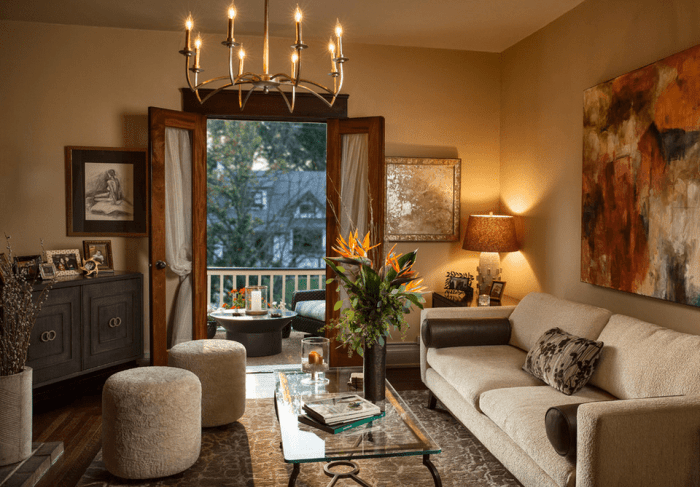
Transforming a house into a home often hinges on cultivating a warm and cozy atmosphere. This involves more than just aesthetics; it’s about creating a space that feels inviting, comfortable, and truly reflects the personality of its inhabitants. From carefully chosen color palettes and textures to strategic lighting and the thoughtful placement of accent pieces, the journey to achieving a warm and cozy home is a blend of art and intention.
This guide delves into the key elements that contribute to this sought-after ambiance, exploring diverse design styles, practical tips for various spaces (including balconies!), and the balance between elegance and functionality. We’ll examine how lighting, textiles, and carefully selected furniture can create a haven of comfort and style, offering inspiration and practical advice for creating your perfect warm and cozy retreat.
Defining “Warm and Cozy Home Decor”
Creating a warm and cozy home is about more than just aesthetics; it’s about cultivating a feeling of comfort, relaxation, and inviting ambiance. It’s about designing a space that feels inherently welcoming and encourages rest and rejuvenation. This involves a thoughtful consideration of several key elements working in harmony.Warm and cozy home decor is characterized by a sense of comfort, intimacy, and visual warmth.
It prioritizes textures, colors, and lighting that evoke feelings of security and relaxation. This style often incorporates natural elements and avoids harsh lines or overly modern, minimalist aesthetics. The goal is to create a space that feels inviting and personal, reflecting the homeowner’s unique personality and preferences while prioritizing comfort above all else.
Essential Elements of Warm and Cozy Decor
The creation of a warm and cozy atmosphere relies on a combination of carefully chosen elements. These elements work synergistically to build a sense of calm and comfort. A holistic approach is key, considering each element’s contribution to the overall feeling of the space.
Color Palettes for Warm and Cozy Spaces
Warm and inviting color palettes are fundamental to achieving a cozy atmosphere. Earthy tones, muted jewel tones, and soft neutrals are excellent choices. Think of rich creams, warm browns, deep reds, soft oranges, and muted greens. These colors create a sense of depth and comfort, avoiding the harshness of bright, stark shades. For example, a living room painted in a warm, creamy beige can be complemented by deep red accent pillows and a brown leather sofa, creating a sophisticated yet inviting space.
Alternatively, a bedroom decorated with muted greens and soft blues can promote relaxation and tranquility.
Textures and Materials in Warm and Cozy Design
Texture plays a crucial role in creating a sense of tactile comfort. Natural materials such as wood, wool, cotton, and linen are key to achieving a cozy feel. Think chunky knit throws draped over sofas, plush velvet cushions, and a sheepskin rug placed by the fireplace. The interplay of various textures adds visual interest and contributes to the overall sense of warmth and comfort.
The rough texture of a woven blanket contrasts beautifully with the smooth surface of a wooden coffee table, adding layers of visual and tactile interest.
The Impact of Lighting on Warmth and Coziness
Lighting significantly influences the mood and ambiance of a space. Harsh overhead lighting can feel sterile and uninviting, while soft, diffused lighting creates a warm and welcoming atmosphere. Different lighting schemes can be used to create various levels of coziness.
Three Lighting Schemes for a Cozy Ambiance
Here are three distinct lighting schemes designed to enhance the warm and cozy atmosphere of a home:
- Layered Lighting: This approach utilizes a combination of ambient, task, and accent lighting. Ambient lighting provides overall illumination, such as recessed lighting or a statement chandelier. Task lighting focuses light on specific areas, like a reading lamp next to a chair or under-cabinet lighting in the kitchen. Accent lighting highlights specific features, such as artwork or architectural details, using strategically placed spotlights or table lamps.
This layered approach creates a balanced and inviting light scheme.
- Warm-toned Bulbs: Opting for warm-toned light bulbs (around 2700K color temperature) is crucial for creating a cozy atmosphere. These bulbs emit a yellowish light that is more inviting and relaxing than cooler-toned bulbs (5000K or higher). Replacing harsh white lights with warmer alternatives instantly transforms the feel of a room.
- Candles and Fireplaces: The soft, flickering light of candles and the warm glow of a fireplace are classic elements of cozy ambiance. Candles can be incorporated throughout the home, from the living room to the bathroom, to create a sense of warmth and intimacy. A fireplace, real or electric, serves as a focal point and adds a significant element of coziness, especially during colder months.
The visual and thermal warmth they provide is unmatched.
Cozy Decor Styles and Trends
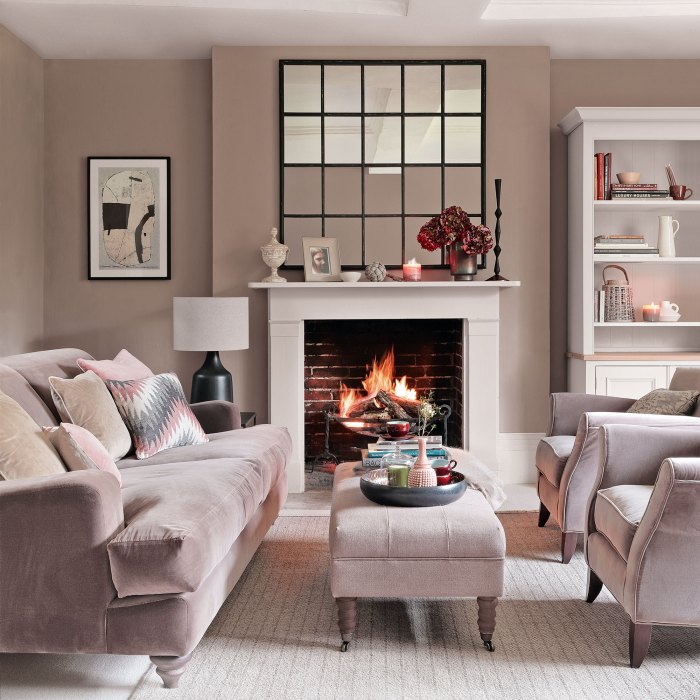
Creating a warm and cozy home involves more than just soft lighting and comfortable furniture; it’s about embracing a specific design aesthetic that resonates with your personal style and creates a welcoming atmosphere. Different decor styles offer unique approaches to achieving coziness, and current design trends are constantly influencing how we achieve this feeling in our homes.
Cozy Decor Styles
The pursuit of a cozy home often involves selecting a particular design style that emphasizes comfort and warmth. Three popular styles that consistently deliver on this promise are Scandinavian, Farmhouse, and Bohemian. Each offers a distinct approach to creating a welcoming and inviting space. Understanding their key features can help you determine which best suits your preferences and lifestyle.
| Style Name | Key Features | Color Palette | Typical Materials |
|---|---|---|---|
| Scandinavian | Minimalist approach, emphasis on natural light, functional furniture, clean lines, and a sense of spaciousness despite a potentially smaller footprint. Often incorporates biophilic design elements, bringing the outdoors in. | Neutral tones (white, beige, gray) accented with pastels or natural wood tones. | Wood, natural textiles (wool, linen), sheepskin, light-colored fabrics. |
| Farmhouse | Rustic charm, blend of old and new, vintage or antique pieces, exposed beams or brick, emphasis on natural materials, and a welcoming, lived-in feel. Often features repurposed items. | Warm neutrals (cream, beige, brown) with pops of color from vintage textiles or floral patterns. | Wood, stone, metal, distressed wood furniture, linen, cotton, and other natural textiles. |
| Bohemian | Eclectic mix of patterns, textures, and colors, layered textiles, global influences, handcrafted items, and a sense of relaxed informality. Often features a mix of vintage and new pieces, creating a unique and personalized space. | Rich, warm colors (terracotta, mustard yellow, deep blues, greens) often combined with neutrals. | Natural fibers (wool, cotton, jute), wood, metal, leather, vintage rugs, tapestries, and global textiles. |
Current Design Trends Influencing Cozy Home Environments
Contemporary design trends are constantly evolving, yet several consistently contribute to the creation of cozy homes. The increasing popularity of biophilic design, for example, emphasizes incorporating natural elements like plants and natural light to foster a sense of calm and well-being. This trend is seen across various styles, from Scandinavian minimalism to more eclectic bohemian designs. The continued focus on sustainable and ethically sourced materials also aligns perfectly with the cozy aesthetic, as natural materials contribute significantly to a warm and inviting atmosphere.
Furthermore, the rise of maximalism, as a counterpoint to minimalism, suggests a move towards layered textures and a more abundant use of decorative elements, enhancing the sense of comfort and personalization often associated with a cozy space. A current example is the resurgence of vintage and antique furniture, perfectly complementing the farmhouse and bohemian styles, adding character and history to a space, thus increasing its cozy appeal.
Elegant and Functional Warm and Cozy Decor
Creating a warm and cozy home doesn’t necessitate sacrificing elegance or functionality. In fact, a well-designed space can seamlessly blend these three elements, resulting in a truly inviting and sophisticated atmosphere. The key lies in carefully selecting pieces that serve both aesthetic and practical purposes, creating a space that is both beautiful and effortlessly liveable.The integration of elegance and functionality in warm and cozy design relies on thoughtful curation and a keen eye for detail.
It’s about choosing pieces that are both visually appealing and serve a purpose, avoiding clutter while maintaining a sense of warmth and comfort. This approach elevates the overall design, creating a space that is both stylish and practical.
Functional Decor Pieces Contributing to a Warm and Cozy Atmosphere
A carefully chosen selection of functional decor pieces can significantly enhance the overall ambiance of a warm and cozy space. These items not only serve a practical purpose but also contribute to the overall aesthetic, adding layers of texture, color, and visual interest.For example, a plush, oversized throw blanket draped over a comfortable sofa not only adds a touch of elegance with its luxurious texture but also provides immediate warmth and comfort.
Similarly, a beautifully crafted wooden coffee table, perhaps with a built-in storage compartment, offers a practical surface for drinks and books while also contributing to the overall warm and inviting feel of the room. The subtle interplay of textures and materials, such as the combination of soft wool and polished wood, further enhances this effect. A stylish floor lamp with a warm-toned shade not only provides functional lighting but also casts a soft, inviting glow, adding to the cozy atmosphere.
Even seemingly insignificant items like decorative trays for organizing remotes or candles can contribute to a more polished and inviting feel.
Elegant Storage Solutions that Maintain Coziness
Storage is crucial in maintaining a cozy and clutter-free environment. However, storage solutions don’t have to be purely functional; they can also contribute significantly to the overall aesthetic. The key is to choose storage options that are both stylish and practical, seamlessly integrating into the overall design.Instead of bulky, unattractive storage units, consider incorporating elegant woven baskets, decorative chests, or stylish ottomans with hidden storage.
These pieces not only provide ample storage space for blankets, books, or other items but also add visual interest and texture to the room. A built-in bookcase with glass doors, for example, can display cherished books and decorative items while keeping the space organized and visually appealing. Similarly, a stylish sideboard or console table can provide ample storage space while serving as a beautiful focal point in the room.
The choice of materials, such as natural wood or rattan, further enhances the warm and cozy ambiance. Remember, even the placement of storage solutions can impact the overall aesthetic; strategically placing them to complement the existing décor can create a cohesive and visually appealing space.
Illustrative Examples of Warm and Cozy Decor
Creating a warm and cozy home involves a thoughtful blend of color palettes, textures, and furniture arrangements. The following examples illustrate how these elements can be combined to achieve different, yet equally inviting, atmospheres. Each design prioritizes comfort and a sense of relaxation, showcasing the versatility of the warm and cozy aesthetic.
Living Room Designs Exemplifying Warm and Cozy Aesthetics
The following three living room designs demonstrate the diverse applications of warm and cozy decor. Each offers a unique approach to achieving a welcoming and comfortable space, emphasizing different aspects of the style.
- Design 1: Rustic Charm: This living room features a dominant palette of warm browns, creams, and muted greens. A large, plush, oatmeal-colored sofa anchors the space, complemented by rustic wooden coffee tables and a stone fireplace. Thick, woolen throws draped over the sofa and armchairs add textural depth and invite snuggling. Natural materials like wood and stone are prominent, contributing to a sense of grounding and authenticity.
A large, woven rug in earthy tones further enhances the room’s rustic charm. Indirect lighting, perhaps from strategically placed floor lamps and table lamps with warm-toned bulbs, creates a soft and inviting ambiance.
- Design 2: Modern Minimalism with Warmth: This design achieves coziness through strategic use of texture and carefully chosen color. A neutral base of creamy whites and greys is warmed by the inclusion of natural wood elements, such as a light oak coffee table and shelving unit. A soft, textured wool rug in a muted grey anchors the seating area. The furniture is minimalist in style but incorporates plush cushions and throws in warm shades of beige and taupe, adding tactile comfort.
Subtle accent lighting, such as recessed lighting and strategically placed spotlights, emphasizes textures and avoids harsh shadows.
- Design 3: Bohemian Comfort: This living room embraces a more eclectic style, blending global influences to create a layered and inviting space. Rich jewel tones such as deep teal, burnt orange, and mustard yellow are used sparingly as accents against a backdrop of neutral tones. A variety of textures are layered – a chunky knit throw over a velvet sofa, patterned cushions, a hand-woven rug with intricate details.
Macrame wall hangings and potted plants add visual interest and a touch of nature. The lighting is a mix of ambient lighting from overhead fixtures and task lighting from floor lamps, creating a relaxed and inviting atmosphere.
Textile Use in a Cozy Bedroom
Textiles play a crucial role in creating a warm and cozy bedroom. Their ability to add texture, warmth, and visual interest is invaluable in achieving a comfortable and inviting atmosphere.The strategic use of textiles transforms a bedroom from a simple sleeping space into a haven of comfort. A plush, high-pile rug in a warm color like deep burgundy or charcoal grey provides both warmth underfoot and a visual anchor for the room.
Layering blankets and throws adds both visual and physical warmth. Consider a chunky knit throw draped over the foot of the bed, a lighter cashmere throw folded at the end, and perhaps a textured sheepskin rug tossed casually over a chair. These layers of textiles not only enhance the visual appeal but also offer a variety of textures to touch and snuggle into.
Soft, luxurious fabrics like velvet, linen, and faux fur add to the overall feeling of indulgence and comfort. Curtains in a heavy fabric like velvet or linen help to block out light and add to the feeling of seclusion and privacy, further enhancing the sense of coziness.
Dining Room Design with Warm and Cozy Elements
This dining room is designed to evoke feelings of warmth and intimacy. Natural materials are central to the design, with a solid wood dining table taking center stage. The chairs are upholstered in a warm-toned fabric, perhaps a rich velvet or linen, adding a touch of luxury and comfort. The walls are painted in a soft, warm neutral tone, such as a creamy beige or soft grey, providing a calming backdrop.
Natural light is maximized by large windows, and this is complemented by warm, soft lighting in the evening. Recessed lighting provides ambient illumination, while a statement pendant light above the table creates a focal point and adds a touch of elegance. The use of candles adds to the warm and inviting ambiance, casting a soft, flickering light that creates a romantic and intimate atmosphere.
A runner made of natural fibers, such as jute or sisal, adds texture and warmth underfoot, completing the cozy and inviting dining experience.
Creating a warm and cozy home is a deeply personal endeavor, a reflection of individual tastes and preferences. While specific styles and trends offer valuable inspiration, the ultimate goal is to design a space that feels uniquely yours—a sanctuary where you can relax, recharge, and truly feel at home. By thoughtfully considering the elements discussed—from color and texture to lighting and carefully chosen accents—you can transform your living spaces into inviting and comforting havens that reflect your personal style and enhance your well-being.
Clarifying Questions
What are some affordable ways to add coziness to my home?
Simple changes can make a big difference! Adding throw blankets, textured cushions, or a new rug can instantly increase coziness. Consider incorporating candles or string lights for a warm glow, and rearrange furniture to create more intimate seating areas.
How can I make my small space feel more cozy?
Maximize light by using mirrors strategically. Opt for lighter color palettes to make the space feel larger. Multi-functional furniture saves space and keeps the area from feeling cluttered. Prioritize comfortable seating and add personal touches to create a welcoming atmosphere.
What are some key differences between Hygge and other cozy styles?
Hygge emphasizes simplicity, natural light, and a sense of contentment. While sharing similarities with other cozy styles, it’s less about specific aesthetics and more about creating a feeling of warmth, comfort, and well-being through mindful choices.


