
Transforming a home office from a mere workspace into a haven of productivity and style requires careful consideration of functional decor. This isn’t just about aesthetics; it’s about creating an environment that fosters focus, comfort, and efficiency. We’ll explore how to blend practicality with pleasing design, examining key elements like ergonomic furniture, smart storage solutions, and the seamless integration of technology.
This guide delves into various design styles, from minimalist to bohemian, offering practical advice and visual inspiration to help you craft a home office that reflects your personal style while maximizing functionality. We’ll address common challenges, such as cable management and space optimization, providing creative solutions to enhance both the look and feel of your workspace.
Defining “Functional Decor” for Home Offices
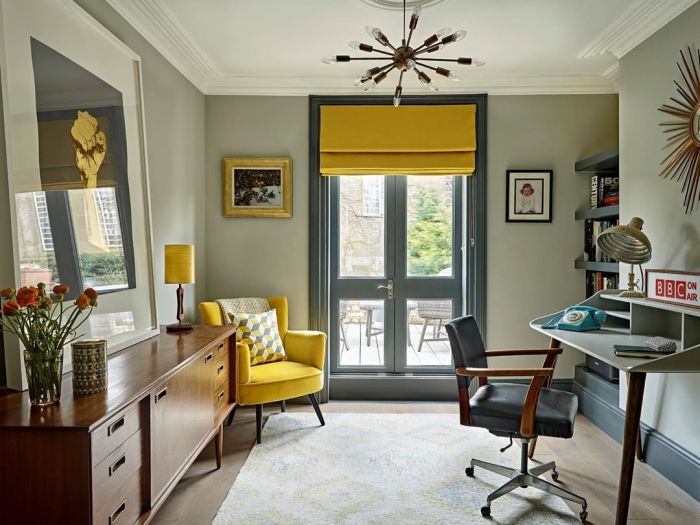
Functional home office decor strikes a balance between aesthetic appeal and practical utility. It prioritizes creating a workspace that is both visually pleasing and highly efficient, promoting productivity and well-being. The goal is to design a space that inspires creativity and focus without sacrificing style.
Key Characteristics of Functional Home Office Decor
The effectiveness of functional home office decor hinges on several key characteristics. These elements work together to create a workspace that supports both productivity and a sense of calm and inspiration.
- Ergonomics: Furniture and accessories are chosen to support proper posture and minimize strain, promoting comfort during extended work sessions. This includes chairs with adjustable height and lumbar support, appropriately positioned monitors, and well-lit work surfaces.
- Organization: Storage solutions are integrated seamlessly into the design, keeping the workspace clutter-free and maximizing efficiency. This could involve built-in shelving, drawer units, or stylish storage boxes that complement the overall aesthetic.
- Functionality: Every item serves a clear purpose, contributing to the overall efficiency and productivity of the workspace. Avoid unnecessary decorations that could distract or clutter the space.
- Aesthetics: While practicality is paramount, the decor should also be visually appealing, creating a space that is inspiring and enjoyable to work in. This involves careful consideration of color palettes, textures, and the overall design scheme.
- Personalization: The space should reflect the individual’s personality and style, fostering a sense of ownership and comfort. This could involve incorporating personal artwork, plants, or other items that bring joy and inspiration.
Examples of Decor Items Prioritizing Aesthetics and Practicality
Many items can enhance both the look and function of a home office. Consider these examples that demonstrate this balance.
- A sleek, adjustable desk with built-in cable management: This provides ample workspace while keeping cords organized and out of sight.
- Ergonomic chair with breathable fabric and adjustable features: Comfort and support are crucial for long work sessions, and a stylish chair can elevate the office’s aesthetic.
- Floating shelves with stylish storage boxes: These offer ample storage while maintaining a clean and uncluttered look.
- A statement lamp providing focused task lighting: Good lighting is essential for eye health and productivity; a stylish lamp can enhance the overall design.
- A vertical garden or a few well-chosen plants: Plants improve air quality and add a touch of nature to the workspace, promoting a sense of calm and well-being.
Minimalist vs. Maximalist Approaches to Functional Home Office Design
Minimalist and maximalist approaches both aim for functionality, but they achieve it through different aesthetics.
A minimalist home office prioritizes simplicity and clean lines. It features a limited number of carefully selected items, each serving a specific purpose. The color palette is typically neutral, and the overall feel is calm and uncluttered. This approach promotes focus and reduces distractions. An example would be a white desk, a simple chair, and a few carefully chosen plants.
A maximalist home office embraces a more eclectic and layered approach. It incorporates a wider range of items, textures, and colors, creating a vibrant and stimulating environment. While it might appear busier, a well-designed maximalist office can still be highly functional if items are organized and purposeful. For instance, a richly colored rug, patterned wallpaper, various bookshelves filled with books and decorative items, and a comfortable armchair could coexist harmoniously in a functional maximalist office.
Mood Board: Modern Functional Home Office
Imagine a modern home office with a neutral color palette of soft grays and whites. The focal point is a sleek, minimalist desk made of light oak, paired with an ergonomic chair upholstered in a charcoal gray fabric. A large window allows ample natural light, complemented by a stylish task lamp with a brass finish. Floating shelves made of the same oak as the desk hold neatly organized files and a few carefully chosen books.
A small, potted succulent adds a touch of greenery. The overall feeling is one of calm, efficiency, and understated elegance. The walls are a soft gray, providing a neutral backdrop for the furniture and creating a sense of spaciousness. A simple, geometric rug anchors the workspace and adds a touch of warmth. The space is free of clutter, with everything having a designated place.
Storage Solutions in Functional Home Office Design
Effective storage is paramount in creating a functional and productive home office. Clutter can significantly impede workflow and reduce overall efficiency. A well-planned storage system not only keeps materials organized but also contributes to a visually appealing and calming workspace. Choosing the right storage solution depends on your individual needs, available space, and personal aesthetic preferences.
Types of Storage Solutions for Home Offices
Several storage options are available to cater to diverse home office needs and styles. Shelving units provide versatile open storage for books, files, and decorative items. Drawers offer concealed storage, ideal for keeping sensitive documents or supplies organized and out of sight. Cabinets, particularly those with doors, provide a combination of both open and closed storage, allowing for customized organization.
Each option presents unique advantages and disadvantages depending on the specific requirements of the workspace.
Open Shelving versus Closed Storage
Open shelving offers easy accessibility to frequently used items, promoting efficiency and quick retrieval. However, it requires careful organization to avoid a cluttered appearance. Closed storage, such as drawers and cabinets, keeps items concealed, contributing to a cleaner and more streamlined aesthetic. The trade-off is reduced accessibility; locating specific items might require more time and effort. The ideal solution often involves a combination of both, utilizing open shelving for frequently accessed items and closed storage for less frequently used materials or items needing protection from dust and damage.
Creative Storage Solutions for Maximizing Space and Enhancing Aesthetics
A well-designed home office incorporates creative storage solutions that blend seamlessly with the overall design. Here are five examples:
- Built-in Bookshelves and Desk Units: Custom-built units maximize space utilization by integrating storage directly into the room’s architecture. These can include a combination of open and closed shelving, drawers, and even hidden compartments, providing ample storage without compromising floor space.
- Vertical File Organizers: These slim, freestanding units are perfect for maximizing vertical space, especially in smaller offices. They provide a dedicated space for filing documents, keeping them organized and easily accessible.
- Under-Desk Drawers and Storage Units: These units efficiently utilize often-wasted space under the desk. They provide discreet storage for stationery, cables, and other small items, keeping the desktop clutter-free.
- Wall-Mounted Shelves and Cubbies: Wall-mounted storage solutions free up valuable floor space. Floating shelves add a modern touch, while cubbies provide designated storage for various items.
- Repurposed Items: Creative repurposing of existing items can add character and functionality. For example, an old ladder can be transformed into a unique bookshelf, while vintage suitcases can serve as stylish storage containers.
Cost-Effectiveness of Various Storage Solutions
The cost of storage solutions varies significantly depending on materials, size, and complexity. The following table offers a general comparison:
| Storage Type | Material | Cost Range (USD) | Notes |
|---|---|---|---|
| Open Shelving | Wood, Metal | $50 – $500+ | Cost varies greatly depending on size, material, and customization. |
| Drawers (Filing Cabinet) | Metal, Wood | $100 – $500+ | Higher-end options offer features like locking mechanisms. |
| Cabinets | Wood, Metal, Laminate | $150 – $1000+ | Cost increases with size and features (e.g., glass doors). |
| Custom Built-ins | Wood, MDF | $500 – $5000+ | Significant upfront cost, but maximizes space utilization. |
Ergonomics and Comfort in Functional Home Office Decor
Creating a functional home office isn’t just about maximizing space and storage; it’s equally crucial to prioritize ergonomics and comfort to foster productivity and well-being. A poorly designed workspace can lead to discomfort, fatigue, and even long-term health problems. Conversely, a thoughtfully designed space can significantly improve focus, reduce stress, and enhance overall job satisfaction.Ergonomic furniture and decor choices are fundamental to creating a productive and healthy home office environment.
By carefully considering the impact of seating, desk height, lighting, and color schemes, you can transform your workspace into a haven of efficiency and comfort. This section will explore key elements of ergonomic design and how to incorporate them effectively.
Ergonomic Furniture Selection
The selection of ergonomic furniture significantly impacts posture, comfort, and overall productivity. Investing in ergonomic chairs, desks, and monitor stands is a worthwhile investment in your health and well-being. Poor posture can lead to back pain, neck strain, and carpal tunnel syndrome. Properly designed furniture supports the natural curves of the spine, promoting good posture and reducing strain.
For example, an adjustable height desk allows you to switch between sitting and standing, promoting better circulation and reducing the risk of sedentary-related health issues. A chair with lumbar support and adjustable armrests ensures proper spinal alignment and reduces muscle fatigue. Similarly, a monitor placed at eye level reduces neck strain.
Creating a Comfortable and Inviting Atmosphere
Beyond ergonomic furniture, creating a comfortable and inviting atmosphere is essential for productivity. This involves considering elements like ambient lighting, color palettes, and the incorporation of personal touches. A well-lit workspace minimizes eye strain and promotes alertness. Natural light is ideal, supplemented by task lighting for focused work. A calming color scheme, such as soft blues and greens, can create a relaxing and productive environment.
Conversely, stimulating colors like reds and oranges can be used in moderation to boost energy levels for specific tasks. Incorporating personal touches, such as plants, artwork, or family photos, can personalize the space and make it feel more welcoming.
Key Elements of Ergonomic Furniture
Three key elements of ergonomic furniture to consider are adjustable height, lumbar support, and proper monitor placement. Adjustable height desks and chairs allow users to customize their workspace to fit their individual needs and body type, reducing strain and promoting comfort. Lumbar support in chairs maintains the natural curvature of the lower back, preventing back pain and promoting good posture.
Finally, proper monitor placement, at eye level and an arm’s length away, reduces eye strain and neck pain. Failing to address these three elements can lead to significant discomfort and reduced productivity over time. Imagine working at a desk that’s too high or too low—the resulting strain can significantly impact your ability to concentrate and perform your work effectively.
Lighting and Color Choices for Productivity and Well-being
Lighting and color choices have a profound impact on productivity and well-being. Natural light is preferable, as it helps regulate circadian rhythms and improves mood. Supplement natural light with task lighting to avoid harsh shadows and eye strain. Consider using a full-spectrum light bulb to mimic natural sunlight. Color psychology plays a significant role in creating a productive environment.
Calming colors like blues and greens promote relaxation and focus, while warmer colors like yellows and oranges can boost energy and creativity. However, excessive use of stimulating colors can be counterproductive, leading to restlessness and difficulty concentrating. For instance, a home office painted entirely in bright red might be visually overwhelming and distracting, whereas incorporating small accents of the color might be more effective in enhancing energy levels.
Integrating Technology into Functional Home Office Decor
A well-designed home office seamlessly blends technology with aesthetics, creating a productive yet visually appealing workspace. The key is to integrate technology in a way that enhances both functionality and the overall design, avoiding a cluttered or visually jarring effect. Careful planning and the selection of appropriate accessories can achieve this balance.Integrating technology thoughtfully means considering not just the functionality of devices but also their visual impact within the space.
This involves strategically placing charging stations, concealing wires and cables effectively, and selecting tech accessories that complement the overall design scheme. The goal is a space that feels both modern and sophisticated.
Concealing Wires and Cables
Effective cable management is crucial for maintaining a clean and organized workspace. Several aesthetically pleasing methods exist for concealing wires and cords. For example, cable raceways can be painted to match the wall color, becoming virtually invisible. Alternatively, utilizing cord organizers and clips allows for a more visible but still organized system, often integrated into desks or wall mounts.
Using furniture with built-in cable management solutions, such as desks with grommets or media consoles with hidden compartments, is another effective strategy. Finally, wireless charging pads eliminate the need for visible charging cables altogether, simplifying the aesthetic.
Tech Accessories that Enhance Functionality and Visual Appeal
Choosing tech accessories that contribute to both the functionality and visual appeal of the home office is paramount. Here are five examples:
The following tech accessories improve both the functionality and aesthetics of a home office:
- A wireless keyboard and mouse: These eliminate cable clutter and provide a clean, modern look.
- A sleek docking station: This consolidates multiple device connections into a single, organized hub.
- A stylish monitor stand: This raises the monitor to a more ergonomic height, improving posture and freeing up desk space.
- A smart lamp with adjustable brightness and color temperature: This provides optimal lighting for various tasks and adds a touch of sophistication.
- A high-quality Bluetooth speaker: This enhances the workspace ambiance with crisp, clear audio without visible wires.
Visual Representation of a Tech-Integrated Home Office
The following table illustrates different methods of integrating technology into a stylish and functional home office workspace:
| Method | Description | Visual Description | Benefits |
|---|---|---|---|
| Wireless Charging Pad | A sleek charging pad integrated into the desk surface for smartphones and other compatible devices. | Imagine a minimalist wooden desk with a small, circular, dark-grey wireless charging pad subtly placed near the keyboard. The pad blends seamlessly with the desk’s surface. | Eliminates visible charging cables, maintains a clean aesthetic. |
| Cable Management System | A system of clips, raceways, or sleeves to neatly organize cables running along the wall or desk. | Picture white cable raceways running discreetly along the wall behind the desk, neatly containing all power cords and data cables. The raceways are painted to match the wall. | Hides messy cables, improves overall organization. |
| Built-in Desk Grommets | Holes in the desk surface with cable management inserts to route cables neatly downwards. | Visualize a modern glass-topped desk with small, circular grommets near the keyboard area. Cables disappear neatly beneath the surface. | Conceals cables, keeps desk surface clean and uncluttered. |
| Under-Desk Cable Tray | A tray mounted under the desk to hold and organize cables. | Envision a sleek, black metal cable tray neatly attached to the underside of the desk. All cables are gathered and contained within the tray. | Keeps cables organized and off the floor, maintains a tidy appearance. |
Exploring Related Decor Styles
Integrating elements from various decor styles can significantly enhance the aesthetic appeal and functionality of a home office. By carefully selecting and combining features, you can create a workspace that is both productive and visually pleasing, reflecting your personal style and promoting a positive work environment. This section explores the key characteristics of balcony, accent piece, cozy, and elegant decor styles, demonstrating how aspects of each can be successfully incorporated into a functional home office design.
Each style offers unique attributes that contribute to a different atmosphere. Understanding these differences allows for a thoughtful selection of elements that best support both productivity and personal well-being within the home office setting. The goal is not to rigidly adhere to a single style but rather to selectively borrow elements that complement the overall functionality and desired ambiance.
Balcony Decor in Home Offices
Balcony decor, often characterized by natural light, airy spaces, and a connection to the outdoors, can surprisingly translate well into a home office. Think light, natural wood furniture, potted plants, and a color palette inspired by nature – greens, blues, and creams. The key is to evoke a sense of openness and tranquility, counteracting the potential for a confined workspace to feel cramped.
For instance, a large window overlooking a balcony can be maximized with a strategically placed desk and comfortable seating area, allowing natural light to flood the room and providing a visual connection to the outside world. Adding a few potted plants or a small herb garden can further enhance the connection to nature and improve air quality.
Accent Pieces in Functional Home Office Design
Accent pieces serve as focal points, adding personality and visual interest to a space. These can range from a statement piece of artwork, a unique lamp, a striking rug, or even a collection of curated objects. In a functional home office, accent pieces should be chosen carefully to complement the overall design while avoiding clutter. A vibrant piece of artwork above the desk can serve as a source of inspiration, while a stylish lamp can enhance both the ambiance and task lighting.
The key is to select pieces that reflect your personal style and contribute to a visually stimulating, yet organized, workspace. For example, a geometric patterned rug can add visual interest to the floor while also providing comfort underfoot.
Cozy Decor for a Productive Home Office
Cozy decor emphasizes comfort and warmth. Think plush rugs, comfortable seating, soft lighting, and warm color palettes. While maintaining functionality, a cozy office can foster a sense of relaxation and well-being, reducing stress and improving focus. Incorporating elements like a comfortable armchair for breaks, soft blankets, and warm-toned lighting can create a welcoming atmosphere. However, it’s crucial to maintain a balance between comfort and functionality; avoid overly plush or cluttered elements that could hinder productivity.
A well-placed throw blanket and a comfortable reading chair, for instance, can offer a relaxing retreat without sacrificing workspace efficiency.
Elegant Decor in Functional Home Offices
Elegant decor is characterized by sophistication, minimalism, and high-quality materials. This style often features clean lines, neutral color palettes, and carefully selected furniture and accessories. In a home office, an elegant aesthetic can promote a sense of calm and professionalism. High-quality materials such as leather or wood furniture, sleek desk organizers, and subtle metallic accents can contribute to an upscale feel.
However, elegance shouldn’t come at the cost of functionality; the space should remain organized and efficient. A minimalist desk with sleek storage solutions and a comfortable, yet understated chair can create an elegant yet practical workspace.
The following bullet points summarize how each style can influence a functional home office:
- Balcony: Maximize natural light, incorporate plants, use a natural color palette to create an airy and open feel.
- Accent Pieces: Strategically place statement pieces of art, unique lamps, or rugs to add personality and visual interest without cluttering the space.
- Cozy: Introduce comfortable seating, soft lighting, and warm textures to create a relaxing and inviting atmosphere while maintaining functionality.
- Elegant: Utilize high-quality materials, clean lines, and a neutral color palette to achieve a sophisticated and professional look without sacrificing practicality.
Illustrating Functional Home Office Decor
This section provides detailed descriptions of three distinct home office designs—minimalist, bohemian, and traditional—each emphasizing functionality and incorporating practical elements into their aesthetic. The examples highlight how diverse styles can effectively support a productive and comfortable workspace.
Minimalist Home Office Design
A minimalist home office prioritizes clean lines, uncluttered surfaces, and a neutral color palette. Imagine a space dominated by shades of white, gray, and beige, punctuated by a single, bold accent color like deep teal or charcoal. The walls are painted a smooth, matte white, reflecting light and creating a sense of spaciousness. The desk, a sleek, light oak piece with a minimalist design, sits against a wall, leaving ample floor space.
A comfortable, ergonomically designed chair in a neutral gray fabric completes the workspace. Storage is seamlessly integrated; drawers within the desk and a few carefully selected, closed storage units in a matching light wood keep clutter at bay. Textures are kept simple—the smooth wood of the desk, the soft fabric of the chair, and the subtle texture of the wall paint.
Materials are chosen for their durability and clean aesthetic: natural wood, high-quality metal for the desk legs, and durable, stain-resistant fabric for the chair.
Bohemian Home Office Design
In contrast to the minimalist approach, a bohemian home office embraces warmth, texture, and a vibrant color palette. Imagine a space with richly colored rugs layered on hardwood floors, a macrame wall hanging adding visual interest, and a comfortable armchair upholstered in a patterned fabric. The desk might be a repurposed vintage piece with a unique patina, offering character and storage in its drawers.
The walls could be adorned with a gallery wall of framed prints and artwork, reflecting the owner’s personality and interests. Natural materials are key: woven baskets for storage, a wooden desk organizer, and a jute rug add warmth and texture. Colors are rich and varied—terracotta, deep blues, warm oranges, and earthy greens—creating a stimulating yet calming atmosphere.
The textures are diverse, including the soft wool of the rug, the smooth wood of the desk, and the rough texture of the macrame wall hanging. Functionality is ensured through clever storage solutions integrated into the design, such as floating shelves and woven baskets, maintaining the bohemian aesthetic while keeping the space organized.
Traditional Home Office Design
A traditional home office evokes a sense of classic elegance and sophistication. Imagine a space featuring rich, dark wood furniture, including a substantial desk with intricate detailing and a comfortable leather armchair. The walls are painted a warm, neutral tone, such as a soft cream or beige. The overall color palette is muted and refined, perhaps incorporating deep greens, browns, and gold accents.
Textures are luxurious and layered—the smooth leather of the chair, the polished wood of the desk, and the plush texture of a wool rug. Materials are high-quality and durable, reflecting a commitment to timeless style and functionality. Storage is provided by a combination of built-in shelving units, a filing cabinet, and drawers within the desk, all maintaining a cohesive and refined aesthetic.
The overall effect is one of quiet sophistication and understated elegance, prioritizing both functionality and a timeless aesthetic.
Ultimately, creating a functional and stylish home office is about personalizing your workspace to reflect your needs and preferences. By thoughtfully integrating ergonomic principles, smart storage, and aesthetically pleasing design elements, you can cultivate an environment that promotes productivity, creativity, and overall well-being. Remember, a well-designed home office is an investment in your success and comfort.
Commonly Asked Questions
What is the best lighting for a home office?
Natural light is ideal, supplemented by task lighting (desk lamp) and ambient lighting (overhead or floor lamps) to avoid eye strain and create a balanced atmosphere.
How can I make my home office feel less cramped?
Utilize vertical space with shelving, choose light and airy colors, and declutter regularly. Mirrors can also create an illusion of more space.
What are some affordable storage solutions for a home office?
Repurpose existing items (like baskets or crates), explore IKEA’s affordable range, or consider DIY solutions like floating shelves made from reclaimed wood.
How do I choose an ergonomic chair?
Look for adjustable height, lumbar support, and breathable fabric. Consider visiting a furniture store to test different chairs before purchasing.


