Creating a beautiful and comfortable home doesn’t have to come at the expense of the planet. Eco-friendly home decor offers a stylish and responsible approach to interior design, blending aesthetic appeal with environmental consciousness. This exploration delves into the principles, styles, sourcing, and practical applications of creating a sustainable living space, showcasing how mindful choices can transform your home and positively impact the environment.
From selecting ethically sourced materials like bamboo and recycled wood to embracing design styles that prioritize natural light and minimize waste, this guide provides a comprehensive overview of eco-conscious decorating. We’ll explore diverse design options, DIY projects, and resources to help you create a home that reflects your values and contributes to a healthier planet.
Defining Eco-Friendly Home Decor
Eco-friendly home decor prioritizes sustainability and minimizing environmental impact throughout a product’s lifecycle, from material sourcing to disposal. It represents a shift away from conventional practices that often rely on unsustainable materials and energy-intensive manufacturing processes. This approach aims to create beautiful and functional spaces while reducing our carbon footprint and promoting responsible resource management.Eco-friendly home decor emphasizes the use of sustainable and ethically sourced materials, reduced energy consumption during manufacturing, and the creation of durable, long-lasting products designed for minimal waste.
The overall goal is to create a harmonious balance between aesthetics and environmental responsibility.
Sustainable Materials in Eco-Friendly Home Decor
The selection of materials is crucial in eco-friendly home design. Sustainable alternatives are chosen to minimize environmental damage and promote responsible forestry and farming practices. Many materials offer both aesthetic appeal and environmental benefits.
- Bamboo: A rapidly renewable resource, bamboo requires minimal water and pesticides to grow, making it an excellent sustainable material for flooring, furniture, and accessories. Its strength and versatility allow for diverse applications in home decor.
- Recycled Wood: Reclaimed wood from demolished buildings or discarded pallets offers a unique character and reduces the demand for newly harvested timber. This process conserves forests and reduces waste, resulting in furniture and décor pieces with a distinct vintage appeal.
- Organic Cotton: Grown without harmful pesticides or synthetic fertilizers, organic cotton textiles are gentler on the environment and healthier for consumers. These textiles are used in bedding, upholstery, and other soft furnishings, providing a natural and comfortable feel.
- Cork: Harvested sustainably from cork oak trees without harming the trees, cork is a versatile material used in flooring, wall coverings, and other decorative items. It’s naturally insulating and durable, making it an environmentally sound choice.
- Recycled Glass and Metal: Utilizing recycled glass and metal reduces the need for new resources and significantly lowers energy consumption compared to producing these materials from raw materials. This translates into eco-friendly tableware, lighting fixtures, and decorative accents.
Eco-Friendly Manufacturing Processes
The manufacturing process plays a vital role in determining a product’s environmental impact. Eco-friendly manufacturers prioritize energy efficiency, waste reduction, and the use of non-toxic materials and finishes.
- Low-Energy Manufacturing: Employing renewable energy sources like solar or wind power in the production process significantly reduces the carbon footprint associated with manufacturing.
- Waste Minimization: Implementing efficient production techniques to minimize waste generation is crucial. This includes careful material selection, precise cutting methods, and recycling programs for production scraps.
- Non-Toxic Finishes and Paints: Using water-based, low-VOC (volatile organic compound) paints and finishes minimizes harmful emissions during manufacturing and improves indoor air quality. This protects both the environment and the health of occupants.
- Fair Labor Practices: Eco-friendly manufacturers often prioritize fair wages, safe working conditions, and ethical sourcing throughout their supply chains, ensuring social responsibility is integrated into their sustainability efforts.
Eco-Friendly vs. Conventional Home Decor
Eco-friendly home decor differs significantly from conventional options in its approach to material sourcing, manufacturing, and overall lifecycle impact. Conventional decor often relies on materials with high embodied energy (the energy used in the extraction, processing, manufacturing, and transportation of a material), unsustainable harvesting practices, and energy-intensive manufacturing processes. This results in a larger carbon footprint and contributes to environmental degradation.
In contrast, eco-friendly decor prioritizes renewable resources, efficient manufacturing, and reduced waste, aiming to minimize its overall impact on the planet. The long-term cost might be slightly higher initially, but the reduced environmental impact and increased durability often make it a more sustainable and cost-effective choice in the long run. For example, a sustainably sourced wooden table might cost more upfront than a mass-produced table made from unsustainable wood, but its durability and longevity mean it will last longer and require less frequent replacement.
Popular Eco-Friendly Decor Styles
Eco-friendly home decor is more than just a trend; it’s a conscious choice reflecting a growing awareness of our environmental impact. Many styles seamlessly integrate sustainable practices and materials, allowing homeowners to create beautiful, functional spaces while minimizing their carbon footprint. This section explores some popular eco-conscious design approaches, highlighting their unique characteristics and sustainable aspects.
Several distinct styles prioritize sustainable materials and practices, offering diverse aesthetic options for eco-conscious homeowners. These styles often overlap, allowing for personalized expression while adhering to core eco-friendly principles.
Minimalist Eco-Friendly Decor
Minimalist design inherently aligns with eco-friendly principles. By focusing on functionality and reducing clutter, this style minimizes resource consumption. The emphasis is on quality over quantity, favoring durable, long-lasting pieces made from sustainable materials. A minimalist eco-friendly home might feature simple, unadorned furniture crafted from reclaimed wood or bamboo, complemented by natural textiles like organic cotton or linen.
The overall effect is clean, serene, and environmentally responsible.
Rustic Eco-Friendly Decor
Rustic eco-friendly decor celebrates natural materials and textures. This style often incorporates reclaimed wood, stone, and other naturally sourced elements, giving a space a warm, earthy feel. Think exposed beams, handcrafted furniture, and natural fiber rugs. Color palettes are typically muted and earthy, emphasizing the beauty of raw materials. Upcycled and repurposed items are frequently incorporated, adding character and reducing waste.
This approach showcases the inherent beauty of natural materials and minimizes environmental impact by prioritizing reuse and reducing reliance on newly manufactured goods.
Modern Farmhouse Eco-Friendly Decor
Modern farmhouse style blends the rustic charm of traditional farmhouses with contemporary design elements. This approach emphasizes functionality and simplicity while incorporating sustainable materials. Reclaimed wood, natural stone, and sustainable textiles are common features. The color palette often includes neutral tones with pops of color from natural sources. Energy-efficient lighting and appliances are also key considerations in a truly eco-friendly modern farmhouse design.
This style provides a balanced aesthetic, incorporating both rustic charm and modern functionality with a focus on sustainability.
Common Color Palettes in Eco-Conscious Homes
Eco-conscious homes often feature color palettes inspired by nature. Earthy tones like greens, browns, and creams create a calming and restorative atmosphere. Blues and greens, reminiscent of the ocean and sky, evoke a sense of spaciousness and tranquility. Natural materials themselves often dictate the color scheme, with the inherent hues of wood, stone, and textiles influencing the overall aesthetic.
Subtle variations and layering of these natural colors can create depth and visual interest without overwhelming the space.
| Style Name | Primary Materials | Environmental Impact | Examples of Sustainable Practices |
|---|---|---|---|
| Minimalist | Reclaimed wood, bamboo, organic cotton, linen | Low (due to reduced consumption and use of sustainable materials) | Reduced waste, sourcing from ethical suppliers, durable and long-lasting pieces |
| Rustic | Reclaimed wood, stone, natural fibers (e.g., jute, hemp) | Low to Moderate (depending on sourcing and transportation of materials) | Upcycling, repurposing, sourcing locally, minimizing transportation distances |
| Modern Farmhouse | Reclaimed wood, natural stone, sustainable textiles | Low to Moderate (depending on sourcing and manufacturing processes) | Energy-efficient appliances, sustainable paint, locally sourced materials |
Sourcing Eco-Friendly Decor Items
Finding beautiful and sustainable home decor doesn’t require compromising on style or ethics. A growing number of resources offer ethically sourced and sustainable products, allowing consumers to make informed choices that align with their values. Understanding where your decor comes from and how it’s made is crucial for truly eco-friendly decorating.Choosing sustainable home decor involves more than just selecting items labeled “eco-friendly.” It requires a deeper understanding of the entire supply chain, from the sourcing of raw materials to the manufacturing process and ultimately, the product’s end-of-life.
By supporting businesses and artisans dedicated to sustainable practices, we collectively contribute to a more environmentally responsible industry.
Online Resources for Eco-Friendly Home Decor
Several online platforms specialize in curating sustainable and ethically produced home decor. These platforms often provide detailed information about the materials used, the manufacturing processes, and the social impact of the products. Consumers can explore a wide range of styles and products, conveniently comparing options and reading reviews from other environmentally conscious shoppers. Examples include websites dedicated to fair trade goods, those specializing in recycled materials, and those that directly support independent artisans and craftspeople committed to sustainable practices.
These platforms frequently feature filters allowing users to refine their searches based on specific material preferences (e.g., organic cotton, reclaimed wood) or certifications (e.g., Fair Trade, GOTS).
Offline Retailers and Local Artisans
Supporting local artisans and businesses plays a vital role in promoting sustainable practices. Visiting local craft fairs, farmers’ markets, or independent boutiques offers the opportunity to interact directly with the creators, learn about their processes, and appreciate the unique craftsmanship involved. This direct connection fosters transparency and builds trust, ensuring that the eco-credentials of the products are authentic.
Many local artisans utilize reclaimed or repurposed materials, reducing waste and minimizing environmental impact. Furthermore, supporting local businesses contributes to the economic vitality of the community, creating a positive ripple effect.
Assessing the Authenticity of Eco-Credentials
Determining the true eco-friendliness of a product requires careful consideration of several factors. Look for certifications such as Fair Trade, GOTS (Global Organic Textile Standard), or FSC (Forest Stewardship Council) which verify sustainable practices throughout the supply chain. Scrutinize product descriptions for details about materials, manufacturing processes, and packaging. Be wary of vague or unsubstantiated claims of sustainability.
Contact the seller directly to inquire about their sourcing practices and environmental commitments. Transparency is key. A truly sustainable business will be open and willing to share information about their operations. A lack of transparency should raise red flags. Consider the overall lifespan of the product – a durable, well-made item will have a smaller environmental footprint in the long run than a cheaply made, disposable one.
Eco-Friendly Decor for Specific Areas
Creating an eco-friendly home doesn’t mean sacrificing style or comfort. By thoughtfully selecting materials and incorporating repurposed items, you can design beautiful and sustainable spaces throughout your home. This section explores eco-friendly design ideas for various areas, emphasizing natural materials and mindful consumption.
Balcony Decor with Recycled and Repurposed Materials
A balcony, even a small one, can be transformed into a relaxing oasis using recycled and repurposed materials. Consider using reclaimed wood pallets to create a small seating area or a vertical garden. Old crates can be repurposed as planters, adding visual interest and functionality. For seating, upcycled metal chairs or benches painted with eco-friendly paint provide durable and stylish options.
Plant choices should focus on drought-tolerant varieties to minimize water usage. Succulents, herbs, and small flowering plants in terracotta pots (a naturally sustainable material) are excellent choices. A simple solar-powered string light adds ambiance in the evening. The overall aesthetic should aim for a rustic-chic or minimalist feel, emphasizing the natural beauty of the repurposed materials.
Eco-Friendly Living Room Accent Pieces
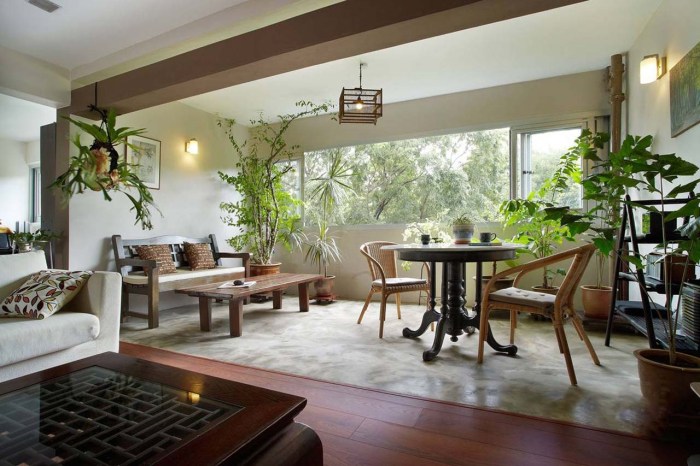
The living room is the heart of the home, and eco-friendly accents can enhance its ambiance. A jute rug adds warmth and texture, while recycled glass or ceramic vases provide a unique focal point. Consider using reclaimed wood coffee tables or side tables, their unique grain patterns adding character. Throws made from organic cotton or recycled materials offer both comfort and sustainability.
Introduce natural elements like driftwood sculptures or potted plants to enhance the space’s natural feel. These diverse materials and textures create a visually appealing and environmentally conscious living room.
Cozy Bedroom Design with Natural Materials and Sustainable Practices
A bedroom should be a sanctuary of calm and relaxation. To achieve this sustainably, choose bedding made from organic cotton or linen. These natural fibers are breathable and hypoallergenic, promoting restful sleep. Opt for a solid wood bed frame, a durable and long-lasting choice. Natural fiber rugs, such as seagrass or jute, add warmth and texture without the use of synthetic materials.
For lighting, consider using bamboo pendant lamps or salt lamps, which provide soft, ambient light. Avoid using harsh artificial lighting. These elements create a serene and eco-conscious sleep environment.
Elegant Eco-Friendly Dining Room Design
An elegant dining room can be created using sustainable materials and practices. A reclaimed wood dining table is a statement piece that adds rustic charm and durability. Choose chairs made from sustainably harvested wood or bamboo. For tableware, opt for ceramic or stoneware plates and bowls, avoiding disposable plastics. Cloth napkins and reusable placemats reduce waste.
For lighting, a simple pendant light made from recycled materials or a chandelier crafted from sustainable wood adds a touch of elegance. The overall design should evoke a sense of refined simplicity, highlighting the beauty of natural materials.
Functional Eco-Friendly Storage Solutions
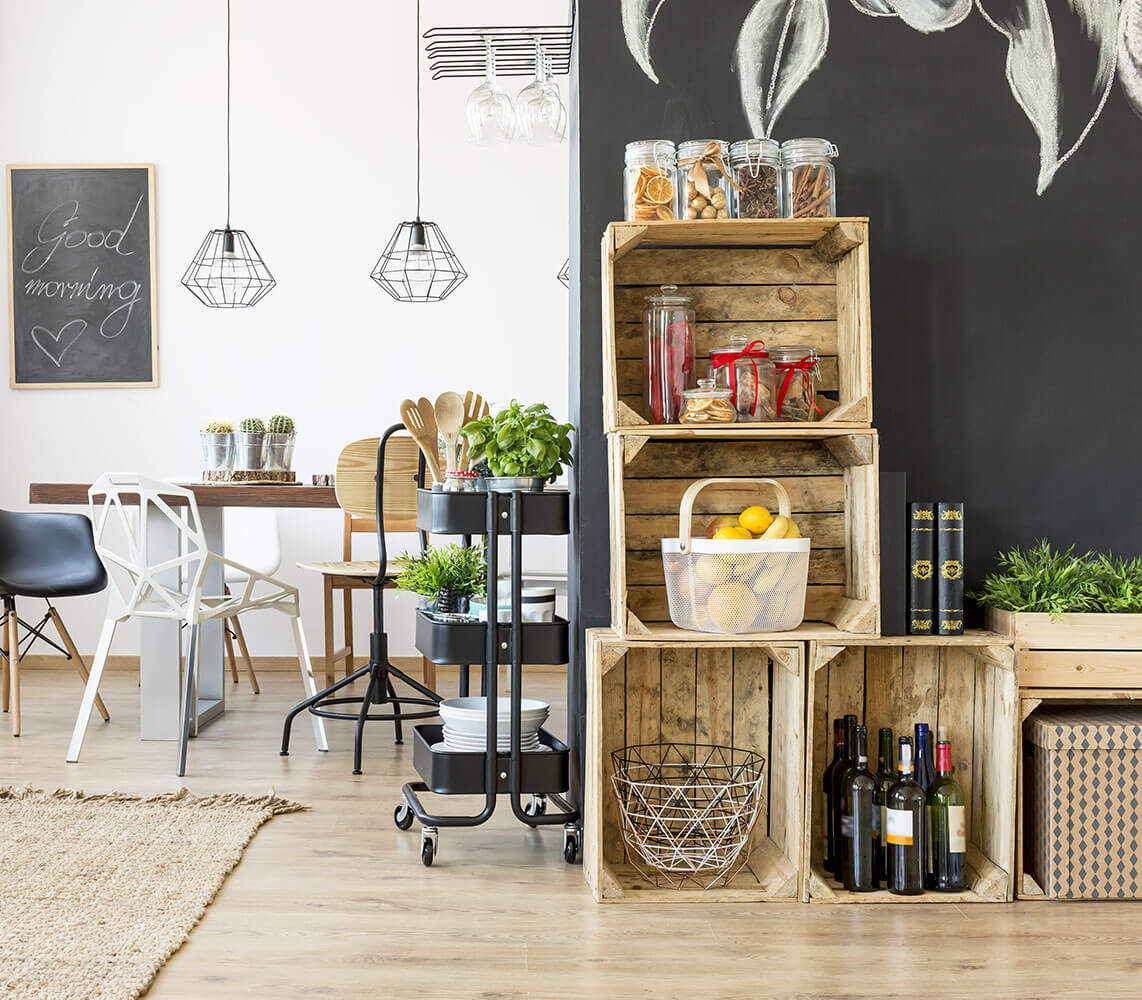
Incorporating functional storage solutions is crucial for maintaining an organized and eco-friendly home. Instead of buying new storage units, repurpose old crates, baskets, or suitcases. These items can be painted or left in their natural state, adding rustic charm to any room. Consider using shelves made from reclaimed wood or bamboo to store books, decorative items, and other essentials.
For smaller items, use reusable fabric bags or containers instead of plastic storage bins. These space-saving solutions not only help keep your home organized but also minimize waste and promote sustainability.
DIY Eco-Friendly Decor Projects
Creating your own eco-friendly home decor is a rewarding way to personalize your space while minimizing your environmental impact. By repurposing materials and utilizing sustainable resources, you can craft unique and stylish pieces that reflect your commitment to a greener lifestyle. This section details three distinct DIY projects, providing step-by-step instructions and material lists.
Macrame Plant Hanger
Macrame plant hangers offer a charming and sustainable way to display your indoor greenery. This project uses natural fibers and requires minimal tools, making it accessible for beginners.
Materials: 4mm natural cotton cord (approximately 100 yards), a wooden dowel (approximately 10 inches long), scissors, tape measure.
Instructions:
- Cut eight strands of cord, each approximately 48 inches long. These strands will be folded in half, creating sixteen working strands.
- Tape the folded ends together to create a bundle. Secure this bundle to the center of the wooden dowel using strong tape.
- Begin creating a series of square knots. Working with two strands at a time, tie square knots along the length of the cord, progressively adding more strands to create a wider macrame piece.
- Once the desired length is reached, create a series of finishing knots at the bottom to secure the strands. Trim any excess cord.
- Hang your completed macrame plant hanger and enjoy!
Painted Glass Vase
Upcycling old glass jars or bottles into decorative vases is a simple yet effective way to reduce waste and add a personal touch to your home. This project emphasizes the transformation of readily available materials into beautiful and functional decor.
Materials: Clean glass jar or bottle, eco-friendly acrylic paints (water-based), paintbrushes, sealant (optional), water.
Instructions:
- Clean the glass jar or bottle thoroughly and allow it to dry completely.
- Choose your desired paint colors and design. Consider using stencils or freehand painting techniques.
- Apply the paint to the glass surface in thin, even coats, allowing each coat to dry before applying the next.
- Once the paint is completely dry, apply a sealant (optional) to protect the paint and enhance its longevity.
- Fill the vase with fresh flowers or dried botanicals for a beautiful display.
Repurposed Wood Shelf
This project transforms reclaimed or salvaged wood into a stylish and functional shelf. The focus is on giving new life to old materials, highlighting the beauty of imperfections and the story they hold.
Materials: Reclaimed wood planks (ensure they are clean and dry), wood screws, sandpaper, wood stain or paint (optional), drill, level.
Instructions:
- Sand the wood planks to smooth any rough edges or splinters.
- If desired, apply a wood stain or paint to enhance the appearance of the wood. Allow to dry completely.
- Measure and mark the location of the shelf brackets on the wall. Use a level to ensure they are straight.
- Securely attach the brackets to the wall using appropriate screws.
- Carefully place the wood planks onto the brackets, ensuring a secure fit.
- Arrange your favorite decorative items on the newly created shelf.
The Long-Term Impact of Eco-Friendly Choices
Choosing eco-friendly home decor offers significant long-term advantages, extending beyond the aesthetic appeal to encompass environmental, economic, and social well-being. These benefits ripple outwards, impacting not only our homes but also the planet and communities around us. By making conscious choices, we invest in a healthier future for ourselves and generations to come.The environmental benefits of selecting sustainable home decor are substantial and far-reaching.
Reducing our reliance on resource-intensive materials and manufacturing processes minimizes pollution and deforestation. Opting for recycled or reclaimed materials reduces the demand for virgin resources, thereby lessening the environmental burden associated with extraction, processing, and transportation. This translates to a smaller carbon footprint and a healthier ecosystem. For example, choosing furniture made from sustainably harvested wood over mass-produced items made from rapidly depleting timber sources significantly reduces the impact on forests and biodiversity.
Environmental Benefits of Sustainable Home Decor
Sustainable materials, such as bamboo, reclaimed wood, and recycled glass, significantly reduce the environmental impact compared to conventional materials. Bamboo, for instance, is a rapidly renewable resource that requires minimal water and pesticides to grow, unlike many hardwoods. Reclaimed wood diverts waste from landfills and reduces the demand for newly harvested timber. Similarly, recycled glass reduces the need for new glass production, which is an energy-intensive process.
The reduced reliance on synthetic materials, often derived from petroleum, minimizes the release of harmful chemicals into the environment during manufacturing and disposal. The use of natural, biodegradable materials also contributes to a more sustainable waste management system.
Economic Advantages of Durable, Sustainable Home Goods
Investing in durable, sustainable home goods provides significant long-term economic advantages. While the initial cost might be higher than mass-produced, less durable items, the longevity of these products translates to cost savings over time. Less frequent replacements mean less money spent on new purchases, reducing overall expenditure. Furthermore, the increased durability and quality often associated with sustainable products translate into lasting value and potentially higher resale value.
For example, a well-made, sustainably sourced wooden table might last for decades, whereas a cheaper, mass-produced alternative may need replacing within a few years. This long-term perspective reduces the overall lifecycle cost of furnishing a home.
Positive Social Impact of Supporting Sustainable and Ethical Businesses
Supporting sustainable and ethical businesses fosters positive social impact within communities and globally. These businesses often prioritize fair labor practices, ensuring workers receive fair wages and safe working conditions. By choosing to purchase from these businesses, consumers directly support ethical sourcing and production methods. Furthermore, many sustainable businesses invest in local communities, creating jobs and contributing to economic development.
For example, choosing a rug hand-woven by artisans in a developing country directly supports their livelihoods and preserves traditional crafts. This contributes to a more equitable and just global economy. Supporting these businesses also incentivizes the adoption of sustainable practices throughout the supply chain, creating a ripple effect of positive change.
By embracing eco-friendly home decor, we can cultivate living spaces that are not only aesthetically pleasing but also contribute to a more sustainable future. The journey towards a greener home involves thoughtful choices in materials, design styles, and sourcing, ultimately fostering a harmonious balance between style and environmental responsibility. Investing in durable, sustainable pieces not only benefits the planet but also offers long-term economic advantages, creating a home that is both beautiful and ethically sound.
FAQ Explained
What is the difference between “organic” and “sustainable” in home decor?
Organic refers specifically to materials grown without pesticides or harmful chemicals. Sustainable encompasses a broader range of practices, including ethical sourcing, minimizing waste, and using durable, long-lasting materials.
How can I reduce my home’s carbon footprint through decor choices?
Choose locally sourced materials to reduce transportation emissions, opt for durable items to minimize replacements, and select products made from recycled or renewable resources.
Where can I find certified eco-friendly home decor products?
Look for certifications like GOTS (Global Organic Textile Standard), FSC (Forest Stewardship Council), and OEKO-TEX Standard 100, which verify sustainable and ethical production practices.
Are eco-friendly decor options more expensive?
While some eco-friendly options might have a higher upfront cost, their durability and longevity often lead to long-term cost savings compared to cheaper, less sustainable alternatives.


