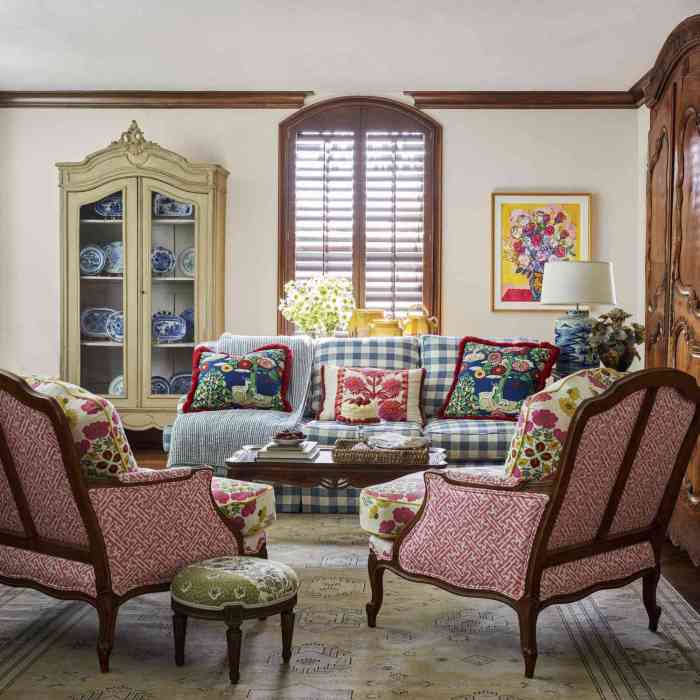
Step into a world of timeless elegance and charming nostalgia with vintage home decor. This style transcends mere aesthetics; it’s about curating a space that whispers stories of bygone eras, blending history with modern living. From the rich textures of aged wood to the vibrant hues of retro palettes, vintage decor offers a unique opportunity to personalize your home with character and individuality.
This guide explores the nuances of this captivating style, offering insights into sourcing, restoration, and integration into contemporary spaces.
We’ll delve into specific vintage eras, examining their defining characteristics—furniture styles, color palettes, and patterns—and providing practical advice on finding and restoring cherished pieces. Learn how to seamlessly blend vintage accents with modern elements to create a cohesive and stylish home that reflects your unique taste and personality, whether it’s a cozy living room, a chic balcony, or an elegant dining area.
Discover how functionality and comfort can coexist beautifully within a vintage-inspired setting.
Defining “Vintage Home Decor”
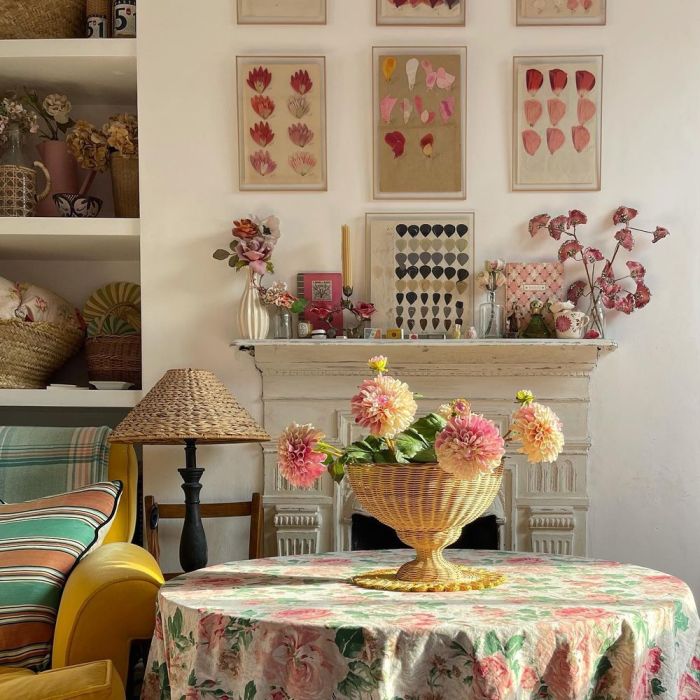
Vintage home decor evokes a sense of nostalgia and timeless elegance, drawing inspiration from bygone eras without being strictly tied to a single period. It’s about curating pieces that possess a certain charm and character, reflecting a specific style or aesthetic from the past, but not necessarily representing a perfectly preserved artifact. The overall effect is one of refined eclecticism, blending different elements to create a unique and personalized space.Vintage home decor is characterized by its unique blend of old and new.
It utilizes pieces that have aged gracefully, showing signs of wear and tear that add to their appeal. These pieces are often repurposed and reimagined, giving them a new life within a modern context. The overall aesthetic prioritizes quality craftsmanship, often showcasing intricate details and superior materials that are rarely seen in mass-produced modern items. This focus on quality results in pieces that are built to last, further enhancing their value and appeal.
Characteristics of Vintage Home Decor Styles
Several key characteristics define vintage home decor. These include the use of muted color palettes often featuring earth tones, pastels, or jewel tones, reflecting the color trends of the past. Furniture and accessories frequently exhibit ornate details, such as hand-carved wood, intricate metalwork, or delicate embroidery. The style also often incorporates patterns and textures, such as floral prints, damask patterns, or textured fabrics, that add depth and visual interest to the space.
Finally, vintage decor often displays a balance between functionality and aesthetics; pieces are chosen for their beauty but also for their practical use within the home.
Comparison with Other Decor Styles
Vintage home decor differs significantly from antique, retro, and shabby chic styles. While antique decor focuses exclusively on authentic pieces of significant age and historical value, vintage decor embraces a broader range of eras and allows for a mix of authentic and reproduction pieces. Retro decor, in contrast, is specifically tied to a particular past era (such as the 1950s or 1970s), whereas vintage style draws inspiration from multiple eras.
Shabby chic, although sharing some aesthetic overlaps with vintage, emphasizes a more distressed and deliberately worn look, often featuring lighter color palettes and a more romantic feel. Vintage decor can incorporate elements of shabby chic but is not defined by it.
Materials Commonly Used in Vintage Home Decor
The materials used in vintage home decor often reflect the craftsmanship and durability of past eras. Solid wood, particularly hardwoods like mahogany, oak, and walnut, is a staple, often appearing in furniture, flooring, and decorative elements. Metal, including wrought iron, brass, and copper, is frequently used for accents, lighting fixtures, and hardware. Durable fabrics such as linen, cotton, velvet, and wool are commonly found in upholstery, curtains, and other textiles.
These materials, while sometimes showing signs of age, possess a quality and richness that enhance the overall aesthetic of the space.
A Mood Board Representing Vintage Home Decor
Imagine a mood board featuring a muted green-gray wall as a backdrop. On it, a photograph of a delicately carved wooden chair with worn velvet upholstery sits beside a swatch of floral damask fabric. A small, antique brass candlestick holder is placed next to a textured linen throw blanket, and a framed print depicting a pastoral landscape from the early 20th century completes the arrangement.
The overall impression is one of quiet elegance, warmth, and a sense of history gracefully integrated into a modern living space. The color palette is soft and muted, with earth tones dominating. The textures are varied and rich, combining the smoothness of the velvet with the roughness of the linen and the intricate detail of the wood carving. The overall feel is one of comfortable sophistication and relaxed elegance.
Popular Vintage Styles & Eras
Delving into the world of vintage home decor reveals a fascinating tapestry of styles and eras, each possessing a unique aesthetic and charm. Understanding these distinct periods allows for a more informed appreciation and selection of pieces to create a cohesive and authentic vintage look. This section will explore three prominent eras, highlighting their defining characteristics.
Vintage Home Decor: 1950s
The 1950s, a period of post-war prosperity and burgeoning optimism, saw a rise in mass-produced furniture and a focus on functionality and comfort. Mid-century modern design, a dominant style of this era, emphasized clean lines, organic shapes, and the integration of innovative materials like molded plywood and plastic.
| Era | Furniture Styles | Color Palettes | Characteristic Patterns |
|---|---|---|---|
| 1950s | Mid-century modern sofas and armchairs with tapered legs, Eames chairs, credenzas with sleek lines, atomic-age inspired furniture with rounded edges. | Muted pastels (mint green, blush pink, soft yellow), warm neutrals (browns, creams), vibrant accents (coral, turquoise). | Geometric patterns (circles, squares, triangles), floral prints, abstract designs. |
Iconic 1950s items include the Eames Lounge Chair, Tupperware containers, and atomic-clock inspired wall clocks. The overall aesthetic evokes a sense of simple elegance and optimistic modernity.
Vintage Home Decor: 1970s
The 1970s witnessed a departure from the streamlined elegance of the previous decade, embracing a more eclectic and expressive approach. Bohemian, retro, and even elements of Art Deco influences blended to create a unique visual landscape. Bold colors, plush textures, and a love of natural materials were key characteristics.
| Era | Furniture Styles | Color Palettes | Characteristic Patterns |
|---|---|---|---|
| 1970s | Macrame wall hangings, shag carpets, avocado-green sofas and armchairs, modular furniture systems, wood paneling. | Earthy tones (browns, oranges, greens), bold jewel tones (emerald, sapphire, ruby), mustard yellow, burnt orange. | Floral patterns (large-scale blooms), paisley prints, geometric designs (often in bold colors), ethnic-inspired patterns. |
Iconic 1970s items include lava lamps, shag rugs, and avocado-green appliances. The era’s style is often associated with a feeling of free-spiritedness and a relaxed, informal atmosphere.
Vintage Home Decor: 1920s
The 1920s, the Jazz Age, reflected a spirit of exuberance and modernity following the First World War. Art Deco, a prominent style of the era, featured geometric shapes, streamlined forms, and luxurious materials like chrome, lacquer, and inlaid woods. This era favored glamour and sophistication.
| Era | Furniture Styles | Color Palettes | Characteristic Patterns |
|---|---|---|---|
| 1920s | Sleek, low-slung furniture, curved lines and geometric shapes, inlaid wood furniture, chandeliers and mirrored furniture. | Black and gold, ivory and silver, deep reds and burgundies, emerald green. | Geometric patterns (zigzags, chevrons, sunbursts), repeating motifs, stylized floral patterns. |
Iconic 1920s items include Bakelite jewelry, flapper dresses (though clothing is outside the scope of home decor), and streamlined furniture with chrome accents. The overall aesthetic projects an aura of elegance, sophistication, and a touch of old Hollywood glamour.
Sourcing & Restoring Vintage Pieces
Finding and revitalizing vintage home décor items can be a rewarding experience, blending the charm of the past with the comfort of the present. Successfully navigating this process involves understanding where to find suitable pieces and mastering basic restoration techniques. This section explores effective sourcing strategies and provides practical guidance on restoring vintage furniture and fabrics.Locating desirable vintage pieces requires exploring diverse avenues, each offering unique opportunities and challenges.
The thrill of the hunt often adds to the appeal of owning a unique vintage item.
Best Places to Source Vintage Home Decor Items
Several avenues offer excellent opportunities to discover unique vintage home décor. Antique shops, often curated collections showcasing carefully preserved pieces, offer a reliable source for authenticated items. Flea markets and antique fairs provide a more unpredictable, treasure-hunt experience, with a wider range of price points and styles. Online marketplaces, such as eBay and Etsy, offer global reach, allowing access to a vast selection of items but demanding careful vetting to ensure authenticity and condition.
Estate sales and auctions can also yield exceptional finds, often at competitive prices, but require careful planning and a keen eye for value. Local thrift stores and consignment shops present more affordable options, though often require more time spent searching for specific pieces.
Restoring a Vintage Piece of Furniture: A Step-by-Step Guide
Restoring vintage furniture requires patience and attention to detail. A successful restoration preserves the piece’s character while addressing any damage or wear. The process generally involves several key steps. First, a thorough assessment of the piece’s condition is crucial, identifying areas needing repair or cleaning. This might involve checking for loose joints, wood rot, or damaged veneer.
Next, cleaning the piece is essential, using appropriate methods depending on the material (e.g., gentle soap and water for wood, specialized cleaners for upholstery). Repairs may then be undertaken, potentially including gluing loose joints, filling cracks with wood filler, or replacing broken parts. Refinishing might be necessary, involving sanding, staining, or painting to restore the original finish or create a new look.
Finally, applying a protective sealant will help preserve the restored piece for years to come. For example, a chipped antique side table might require filling the chips with wood filler, sanding smooth, restaining to match the existing finish, and applying a clear coat of varnish for protection.
Cleaning and Maintaining Vintage Fabrics and Materials
The cleaning and maintenance of vintage fabrics and materials require a nuanced approach, varying considerably depending on the material’s type and age. Different materials necessitate distinct cleaning techniques to prevent damage. Delicate fabrics, such as silk or lace, often require professional cleaning or gentle hand washing with specialized detergents. Sturdier materials, like cotton or linen, might tolerate machine washing on a delicate cycle.
Upholstery cleaning requires careful consideration, potentially involving professional steam cleaning or spot cleaning with appropriate solutions. Regular dusting and vacuuming are crucial for all fabrics, helping to prevent dust accumulation and prolong their lifespan. Leather requires specialized cleaning products and conditioners to maintain its suppleness and prevent cracking. For example, a vintage silk scarf might be best cleaned by a professional dry cleaner specializing in delicate fabrics, while a sturdy cotton tablecloth could be safely machine washed on a gentle cycle with cold water.
A leather armchair would benefit from regular conditioning with a leather conditioner to prevent dryness and cracking.
Incorporating Vintage Decor into Modern Homes
Blending vintage charm with contemporary aesthetics is a rewarding design challenge. The key lies in thoughtful selection and strategic placement, creating a space that feels both timeless and fresh. This involves understanding how vintage pieces can enhance, rather than clash with, modern design principles. Successfully integrating vintage elements requires a keen eye for detail and a balanced approach to color palettes, textures, and overall spatial harmony.
Designing a Vintage-Infused Contemporary Living Room
This living room design plan uses a neutral base to highlight vintage pieces. Imagine a spacious room with light gray walls and engineered hardwood floors. The focal point is a mid-century modern sofa in a muted teal, chosen for its clean lines and comfortable form. Flanking the sofa are two vintage armchairs, perhaps from the 1950s, reupholstered in a coordinating neutral fabric.
A low, vintage coffee table made of wood with simple lines sits between the seating, offering a tactile contrast to the sofa’s upholstery. Accent pieces include a vintage brass floor lamp with a linen shade, providing warm, ambient lighting. On the coffee table, a collection of vintage books and a ceramic bowl add pops of color and texture.
A large, framed vintage botanical print hangs above the sofa, adding a touch of artistry. This plan showcases how vintage furniture can be the star of a modern room, supported by carefully chosen contemporary elements.
Using Vintage Accessories in a Minimalist Home
A minimalist home, characterized by its clean lines and uncluttered spaces, can be beautifully enhanced by carefully selected vintage accessories. The goal is to add character without sacrificing the sense of order and simplicity. A single, striking vintage mirror, perhaps with an ornate frame, can become a focal point in a minimalist bedroom. On a simple white dresser, a collection of vintage porcelain figurines or small, antique boxes adds visual interest without overwhelming the space.
A vintage brass tray holding a few carefully chosen succulents brings a touch of nature indoors. In the living room, a vintage ceramic vase containing a single stem of dried flowers provides a subtle yet impactful touch of vintage charm. The key is to choose a limited number of high-impact pieces, each carefully considered for its ability to complement the minimalist aesthetic.
Balancing Vintage and Modern Elements for Cohesive Style
Achieving a cohesive blend of vintage and modern elements requires careful consideration of several key aspects. Firstly, color palettes play a crucial role. Sticking to a neutral base—think creams, grays, and beiges—allows both vintage and modern pieces to stand out without clashing. Secondly, texture is vital. The contrast between the smooth surface of a modern coffee table and the rough-hewn texture of a vintage wooden chest adds visual interest.
Thirdly, consider the scale and proportion of the pieces. A large, imposing vintage armoire might overwhelm a small space, while a delicate vintage lamp might get lost in a large room. Finally, consider the overall style. Mixing too many disparate styles can create a chaotic feel. For example, blending mid-century modern furniture with Art Deco accessories might result in an eclectic but cohesive look.
A consistent color palette and careful attention to scale and proportion will ensure that the vintage and modern elements complement each other, creating a stylish and harmonious interior.
Balcony Decor within a Vintage Theme
Transforming a balcony into a charming vintage haven involves a careful selection of elements that evoke a sense of nostalgia and elegance. The key is to create a space that feels both aesthetically pleasing and comfortably functional, reflecting a specific vintage era or blending elements from several periods for a unique eclectic style.
Vintage Balcony Design Scheme
A successful vintage balcony design begins with a cohesive color palette. Consider soft pastels like sage green, dusty rose, or muted yellows for a romantic, shabby-chic feel. Alternatively, a bolder palette featuring deep blues, terracotta, or burnt orange can create a more dramatic, Mediterranean-inspired atmosphere. For flooring, vintage-style terracotta tiles or patterned cement tiles would perfectly complement the overall theme.
Wrought iron railings, if present, can be left as is or painted in a complementary color to enhance the vintage aesthetic.
Plant Choices for a Vintage Balcony
The right plants can significantly enhance the vintage charm of a balcony. Trailing ivy, cascading from hanging pots or window boxes, creates a romantic, overgrown feel reminiscent of older European buildings. Geraniums in terracotta pots offer a classic, vibrant touch, while lavender provides a soothing fragrance and visually appealing purple blooms. For a more structured look, consider boxwood shrubs in decorative containers.
The selection should be tailored to the climate and the amount of sunlight the balcony receives.
Furniture and Lighting for a Vintage Balcony
Furniture choices are crucial in setting the vintage tone. A small wrought-iron bistro set, perhaps with a distressed finish, provides both seating and a touch of elegance. Alternatively, a single vintage armchair, upholstered in a floral or patterned fabric, paired with a small side table, creates a more intimate and relaxed space. Lighting is equally important. String lights, draped across the railing, create a magical ambiance in the evening.
A vintage-style wall sconce or a lantern-style hanging lamp adds further character and illumination.
Suitable Accent Pieces for a Vintage Balcony
Several accent pieces can elevate the vintage aesthetic. A collection of vintage-style terracotta pots, varying in size and shape, can house the plants, adding visual interest. Patterned cushions, in floral prints or geometric designs reminiscent of past eras, enhance the comfort and style of any seating. Adding a small vintage rug, perhaps a Persian or Moroccan style, further grounds the space and adds texture.
Finally, incorporating vintage metal planters or birdcages, even if empty, can add unique visual details that speak to the chosen style.
Creating a Cozy and Inviting Atmosphere
To achieve a cozy and inviting atmosphere, consider incorporating soft textiles. Throws draped over furniture or hanging from the railing add warmth and texture. The addition of scented candles or diffusers with evocative fragrances, such as lavender or rose, can create a sensory experience that enhances the overall ambiance. Finally, personal touches, such as vintage photographs or family heirlooms displayed tastefully, add a personal and sentimental element, making the space truly unique and inviting.
Accent Pieces in Vintage Style
Adding the right accent pieces can elevate a vintage-themed room from charming to truly captivating. These smaller items, while seemingly insignificant individually, contribute significantly to the overall atmosphere and narrative of the space. Careful selection ensures cohesion and prevents a cluttered or disjointed feel. Choosing pieces that reflect the chosen vintage era and style is crucial for authenticity.Choosing Accent Pieces that Complement Different Vintage Decor StylesThe selection of accent pieces should always consider the overarching style of the vintage decor.
A mid-century modern space will benefit from different accents than a Victorian-inspired room. Understanding the key characteristics of each style informs the choice of complementary accent pieces. For instance, clean lines and functional design are hallmarks of mid-century modern, while ornate details and rich textures define Victorian aesthetics.
Examples of Unique Vintage Accent Pieces
The following examples illustrate how diverse and impactful vintage accent pieces can be. They demonstrate the range of styles and functions available to enhance a vintage-themed home.
- Vintage Enamelware Pitcher: A vibrant, enamel-coated pitcher, perhaps in a cheerful turquoise or sunny yellow, offers a pop of color and a practical function. Its simple, yet durable design embodies the functionality of mid-century modern design, while its bright color adds a touch of playful retro charm. It could be used to serve water or flowers.
- Art Deco Perfume Bottle: An Art Deco perfume bottle, with its geometric shapes and often luxurious materials like glass or Bakelite, adds a touch of glamour and sophistication. The bottle itself, even empty, acts as a small sculpture, reflecting the era’s focus on streamlined elegance. Its unique shape and decorative details make it a focal point.
- Vintage Brass Desk Lamp: A vintage brass desk lamp, with its warm, metallic finish and potentially adjustable arm, offers both function and style. The brass adds a touch of old-world charm and complements various vintage styles, from Art Deco to mid-century modern. Its warm glow creates a cozy ambiance in a reading nook or workspace.
- Antique Wooden Trunk: A repurposed antique wooden trunk, perhaps with brass hardware and wear-and-tear showing its age, serves as a unique coffee table or storage solution. Its sturdy construction and aged patina add a sense of history and character to a space, embodying a rustic or vintage industrial aesthetic. It could also be used as a decorative seating element.
- Vintage Ceramic Figurine: A vintage ceramic figurine, possibly depicting a stylized animal or human figure, adds a touch of whimsy and personality. The figurine’s style will depend on the era – a whimsical 1950s figurine might contrast with a more refined Art Nouveau piece. Its unique character adds a focal point and a conversation starter to the room.
Achieving Cozy Decor with Vintage Elements
Creating a cozy atmosphere in your home is all about fostering a sense of warmth, comfort, and inviting relaxation. Vintage home decor, with its inherent charm and history, lends itself beautifully to this goal. The unique textures, aged finishes, and often handcrafted details of vintage pieces contribute significantly to a feeling of lived-in comfort, unlike the often sterile feel of mass-produced modern furniture.Vintage decor, with its focus on repurposing and appreciating the past, inherently promotes sustainability and a connection to a slower pace of life, both contributing factors to a feeling of calm and coziness.
Key Elements for a Cozy Vintage Atmosphere
Several key elements work together to create a genuinely cozy space using vintage decor. These include the thoughtful selection of furniture, the strategic use of textiles, the careful manipulation of lighting and color palettes, and the incorporation of personal touches that reflect the homeowner’s unique style and memories. The overall effect should be one of relaxed elegance, where comfort and style are seamlessly intertwined.
Five Tips for Creating a Warm and Inviting Space
Creating a warm and inviting space with vintage pieces involves more than simply placing old furniture in a room. It requires careful consideration of the overall aesthetic and a commitment to layering textures and colors to achieve the desired effect.
- Prioritize comfortable seating: Choose a vintage sofa or armchairs with plush upholstery, perhaps in velvet or a well-worn linen, that invite relaxation. Imagine a deep, emerald green velvet sofa from the 1950s, sinking into its cushions after a long day.
- Layer textiles generously: Use vintage rugs, throws, and cushions to add texture and warmth. Think of a faded Persian rug layered over a jute rug, topped with a chunky knit throw draped over a worn armchair. This layering creates visual interest and tactile comfort.
- Incorporate warm lighting: Avoid harsh overhead lighting; instead, opt for soft, ambient lighting from table lamps with vintage shades, floor lamps, or even strategically placed candles. A pair of brass table lamps with pleated silk shades flanking a fireplace would create a warm, inviting glow.
- Embrace a muted color palette: Stick to a range of warm, earthy tones like creams, browns, greens, and muted blues. These colors create a sense of calm and tranquility, while pops of brighter vintage-inspired colors can add personality without overwhelming the space. A living room with cream walls, brown leather furniture, and teal accents would be both elegant and inviting.
- Add personal touches: Incorporate cherished family heirlooms, vintage books, or collected artwork to add character and make the space feel truly lived-in. A collection of vintage postcards displayed on a mantelpiece or a grandmother’s antique clock adds a unique and sentimental touch.
Enhancing Coziness with Lighting, Textures, and Colors
The interplay of lighting, textures, and colors is crucial in achieving a cozy vintage ambiance. Subtle shifts in these elements can dramatically alter the mood of a room.Lighting should be soft and diffused, rather than harsh and direct. Warm-toned light bulbs in table lamps and floor lamps can create a welcoming atmosphere. Textures should be layered to create visual and tactile interest.
Think plush velvet, worn linen, chunky knits, and the subtle roughness of aged wood. The color palette should be predominantly warm and inviting, with perhaps a few carefully chosen accent colors to add personality. For example, a room with soft cream walls, dark wood furniture, and textured rugs in shades of brown and burgundy would feel incredibly cozy and inviting.
Elegant Vintage Home Decor
Creating an elegant vintage home involves a careful curation of pieces that exude sophistication and timeless style. It’s about blending the charm of the past with a modern sensibility to achieve a look that is both refined and inviting. This isn’t about simply collecting old things; it’s about selecting pieces that possess a certain quality and then arranging them in a way that enhances their inherent elegance.Elegant vintage decor achieves a sense of understated luxury through the careful selection and arrangement of furniture and accessories.
It avoids clutter and emphasizes quality over quantity. The overall effect is one of refined taste and subtle opulence.
Key Characteristics of Elegant Vintage Decor
Five key characteristics define elegant vintage decor: a refined color palette, the use of high-quality materials, attention to detail in craftsmanship, a balanced and uncluttered arrangement, and the incorporation of luxurious textures. These elements work together to create a cohesive and sophisticated aesthetic.
Elegant Vintage Dining Room Layout
This design envisions a dining room bathed in soft, natural light, perhaps from large windows draped with sheer linen curtains. The color palette centers around warm neutrals – creamy whites, soft beiges, and muted greys – accented with subtle jewel tones like emerald green or sapphire blue in upholstery or artwork.The centerpiece is a large, antique mahogany dining table, its surface gleaming from years of careful polishing.
The table’s elegant lines are complemented by eight intricately carved chairs upholstered in a luxurious velvet, perhaps in a deep teal or a rich burgundy. A stunning antique chandelier, perhaps crystal or wrought iron, hangs above the table, casting a warm glow over the space. A large antique mirror, its ornate frame gilded in gold leaf, hangs on one wall, visually expanding the room and reflecting the light.
Subtle artwork, such as a still life painting in a gilded frame, or a collection of vintage botanical prints, adorns the walls, adding further layers of visual interest. A vintage sideboard, crafted from dark wood with brass hardware, provides ample storage and display space for fine china and silverware. Finally, a plush, antique rug in a muted floral pattern anchors the space and adds a layer of warmth and texture underfoot.
The overall effect is one of understated elegance and timeless sophistication, a space where memories are made and cherished.
Functional Vintage Decor
The charm of vintage home decor lies not only in its aesthetic appeal but also in its practicality. Many vintage pieces were crafted with durability and functionality in mind, qualities often lacking in mass-produced modern items. Choosing functional vintage pieces ensures your home is both beautiful and well-equipped, creating a space that is both visually pleasing and genuinely useful.Integrating vintage items that serve a purpose adds a layer of authenticity and character to your home, transforming mere decoration into lived-in, functional art.
The inherent stories and craftsmanship of these pieces enrich the overall ambiance, creating a space that feels both timeless and personal.
Examples of Functional and Aesthetically Pleasing Vintage Items
Vintage items can seamlessly blend style and practicality. A beautifully restored mid-century modern dresser provides ample storage while adding a touch of elegance to a bedroom. Similarly, a vintage enamelware tea kettle not only boils water efficiently but also serves as a charming kitchen accent. The patina of age adds character to these pieces, enhancing their visual appeal and telling a story of their past.
Consider a well-preserved vintage wooden cutting board, its surface worn smooth with years of use, adding rustic charm to your kitchen while performing its intended task flawlessly. These examples highlight the successful marriage of form and function in vintage home decor.
Five Functional Vintage Items for Kitchen and Bathroom
The following list provides specific examples of functional vintage items that can easily be incorporated into a kitchen or bathroom setting. These pieces offer a blend of style and practicality, demonstrating how vintage decor can enhance both the aesthetics and functionality of a space.
- Vintage enamelware canister set: These colorful canisters offer charming storage for staples like flour, sugar, and coffee, adding a touch of retro flair to the kitchen while keeping countertops organized.
- Antique wooden rolling pin: Beyond its functional use in baking, a vintage rolling pin adds a touch of rustic charm to the kitchen. Its weathered appearance and unique design serve as a conversation starter.
- Vintage apothecary jars: These glass jars, often with intricate detailing, can be repurposed in the bathroom to store cotton balls, Q-tips, or bath salts. Their elegant design adds a touch of sophistication to the space.
- Retro ceramic soap dish: A vintage soap dish, whether it’s a simple design or a more elaborate piece, provides a practical and aesthetically pleasing way to store soap. The ceramic material is durable and easy to clean.
- Vintage metal wastebasket: A sturdy vintage wastebasket, perhaps in a classic design or a vibrant color, provides a functional and stylish way to dispose of trash in either the kitchen or bathroom. Its design complements a vintage theme while fulfilling its intended function.
Ultimately, vintage home decor is more than just a design trend; it’s a journey of discovery, a celebration of craftsmanship, and an expression of personal style. By understanding the principles of this enduring aesthetic and employing the practical tips Artikeld in this guide, you can transform your home into a haven of timeless beauty and enduring charm. Embrace the past, present, and future through the captivating world of vintage design, and create a space that reflects your unique story.
FAQ Summary
How do I determine if a piece is truly vintage?
Generally, “vintage” refers to items from 20-100 years old, possessing unique design elements of their era. Consider the materials, construction techniques, and overall style when assessing authenticity.
What are some common vintage home decor mistakes to avoid?
Overdoing it is a common pitfall. Start with a few key pieces and build gradually. Avoid mixing too many disparate eras or styles without a cohesive vision. Poorly restored pieces can detract from the overall aesthetic.
Where can I find affordable vintage home decor?
Thrift stores, flea markets, online auction sites (eBay, Etsy), and estate sales offer great opportunities to discover unique and budget-friendly vintage finds.
How can I clean vintage fabrics without damaging them?
Always test cleaning methods on a hidden area first. For delicate fabrics, spot cleaning or professional cleaning is often best. Vacuuming regularly helps prevent dust accumulation.


