
Creating a truly timeless and elegant home transcends fleeting trends; it’s about cultivating a space that exudes sophistication and enduring appeal. This exploration delves into the core principles of timeless elegant decor, examining historical influences and modern interpretations. We’ll navigate color palettes, material choices, furniture selection, and accessorizing techniques to help you design a home that reflects refined taste and enduring style.
From understanding the nuances of classic design movements to mastering the art of layering textures and incorporating personal touches, this guide provides a comprehensive roadmap for achieving a space that is both beautiful and enduring. We will explore how to balance functionality with aesthetics, ensuring your home is not only visually stunning but also practical and comfortable for everyday living.
Defining Timeless Elegance in Decor
Timeless elegance in interior design transcends fleeting trends, focusing instead on creating spaces that remain beautiful and relevant for years to come. It’s about cultivating an atmosphere of refined sophistication through careful selection of materials, furniture, and color palettes, rather than relying on flashy or overtly trendy elements. The resulting aesthetic is one of understated luxury and enduring appeal.Timeless elegance is characterized by a commitment to quality craftsmanship, enduring design principles, and a sense of balance and proportion.
It avoids excessive ornamentation or garishness, preferring instead clean lines, neutral color palettes, and high-quality materials that age gracefully. The overall effect is one of calm sophistication and understated luxury, a space that feels both inviting and refined.
Core Principles of Timeless Elegant Decor
The foundation of timeless elegant decor rests on several key principles. Firstly, a neutral color palette forms the backdrop, allowing for the introduction of accent colors and textures without overwhelming the space. Secondly, natural materials like wood, stone, and linen are favored for their inherent beauty and durability. Thirdly, classic furniture silhouettes, characterized by clean lines and simple forms, are preferred over overly ornate or trendy pieces.
Finally, attention to detail and quality craftsmanship are paramount, ensuring that every element contributes to the overall sense of refinement. These elements work together to create an atmosphere of understated luxury and enduring appeal.
Historical Design Movements Embodying Timeless Elegance
Several historical design movements exemplify timeless elegance. Neoclassicism, with its emphasis on symmetry, proportion, and clean lines, offers a perfect example. Think of the graceful curves of Chippendale furniture or the restrained elegance of Georgian architecture. Similarly, the Arts & Crafts movement, with its focus on handcrafted details and natural materials, continues to inspire contemporary designers. The emphasis on functionality and quality craftsmanship resonates strongly with the modern pursuit of timeless design.
Finally, elements of Art Deco, particularly its geometric patterns and luxurious materials, can be incorporated subtly to add a touch of glamour without sacrificing elegance.
Modern Interpretations of Timeless Elegance Compared to Historical Examples
While modern interpretations of timeless elegance share core principles with historical examples, there are key differences. Modern designs often incorporate more minimalist aesthetics, embracing clean lines and uncluttered spaces. While historical examples might feature ornate details, modern interpretations often favor simplicity and functionality. However, both approaches prioritize quality materials and craftsmanship. Modern designers might use contemporary materials alongside traditional ones, creating a blend of old and new that feels both fresh and sophisticated.
For instance, a modern interpretation might utilize a sleek, minimalist sofa alongside a vintage Persian rug, combining contemporary clean lines with a touch of historical richness.
Mood Board Illustrating Key Elements of Timeless Elegant Decor
Imagine a mood board featuring several key images. A photograph of a sun-drenched living room with white walls, hardwood floors, and a plush, neutral-colored sofa. Next to it, a close-up image showcasing the intricate grain of a beautifully crafted wooden coffee table. Another image might depict a selection of luxurious fabrics – a soft linen throw, a velvet cushion in a muted jewel tone.
Finally, a detail shot of a simple yet elegant chandelier, casting a warm, inviting glow. These images, together, would convey the essence of timeless elegance: a harmonious blend of simplicity, quality, and understated luxury. The overall effect is a feeling of calm, sophisticated comfort, a space that is both stylish and enduring.
Color Palettes and Material Choices for Timeless Elegance
Achieving timeless elegance in interior design hinges on a thoughtful selection of both color palettes and materials. The right combinations create a sophisticated and enduring aesthetic that transcends fleeting trends. This involves understanding the inherent qualities of various colors and materials and how they interact to build a cohesive and luxurious atmosphere.
Timeless Color Palettes
Neutral palettes form the bedrock of timeless elegance. These palettes offer versatility and allow for the easy incorporation of accent colors and textures without feeling overwhelming or dated. Classic choices include variations of cream, beige, gray, and white, often used in combination to create depth and visual interest. Subtle variations within these neutrals can add sophistication; think of warm greiges alongside cool, silvery grays, or creamy off-whites paired with a crisp, bright white.
These pairings offer a level of visual complexity without sacrificing the overall sense of calm and serenity. Beyond neutrals, muted jewel tones such as deep blues, greens, and burgundy can add richness and depth when used sparingly as accent colors. These colors, when used judiciously, contribute to a sense of luxurious sophistication without overwhelming the space.
Natural Materials and Their Impact
Natural materials are essential for creating a timeless and elegant feel. Their inherent beauty and texture contribute to a sense of warmth and authenticity that is difficult to replicate with synthetic alternatives. Wood, in particular, adds warmth and character. Different types of wood offer distinct visual qualities; light oak can create a bright and airy feel, while darker woods like walnut or mahogany lend a sense of richness and sophistication.
Stone, whether used in flooring, countertops, or accent walls, introduces a sense of permanence and luxury. Marble, granite, and limestone are popular choices, each offering unique veining and textural patterns. Linen, a natural fiber, provides a sense of understated elegance in upholstery and curtains. Its subtle texture and soft drape contribute to a relaxed yet refined atmosphere. The inherent irregularities in these materials add to their charm, showcasing the beauty of imperfection.
The Role of Metallic Accents
Metallic accents, used thoughtfully, can elevate a space’s elegance. Gold, silver, and bronze each bring a distinct character. Gold adds warmth and opulence, while silver offers a cooler, more contemporary feel. Bronze provides a more earthy and rustic touch. These metals can be incorporated through lighting fixtures, hardware, decorative objects, or even subtle touches in upholstery or wall coverings.
The key is to avoid overdoing it; a few carefully chosen metallic accents can be far more effective than an abundance of them. For example, a single, elegant gold-framed mirror or a set of bronze drawer pulls can significantly impact the overall aesthetic without feeling gaudy or excessive.
Material Suitability for Decor Elements
| Material | Flooring | Upholstery | Wall Coverings |
|---|---|---|---|
| Wood | Excellent (hardwood floors are durable and elegant) | Good (provides warmth and texture, but may require more maintenance) | Good (wood paneling or veneer can create a luxurious feel) |
| Stone | Excellent (marble, granite, and limestone are durable and luxurious) | Poor (too hard and cold for comfortable seating) | Excellent (adds a sense of permanence and sophistication) |
| Linen | Poor (too delicate for high-traffic areas) | Excellent (soft, luxurious, and drapes beautifully) | Good (linen wallpaper offers a subtle texture) |
| Metal (e.g., brass) | Poor (generally unsuitable for flooring) | Poor (generally unsuitable for upholstery) | Good (accent walls or decorative elements) |
Furniture Selection for Timeless Elegant Spaces
Creating a truly timeless and elegant interior relies heavily on the careful selection of furniture. The pieces you choose should not only be aesthetically pleasing but also durable and functional, contributing to a space that feels both luxurious and lived-in for years to come. The right furniture can elevate a room, transforming it from merely functional to exquisitely stylish.
Classic Furniture Styles for Timeless Elegance
Several classic furniture styles consistently contribute to a sense of timeless elegance. Mid-century modern, with its clean lines, organic shapes, and focus on functionality, remains a popular choice. Its understated sophistication transcends fleeting trends. French Provincial, characterized by its ornate detailing, curved lines, and often lighter woods, offers a more romantic and traditional aesthetic. Similarly, Georgian and Regency styles, known for their refined proportions and rich materials, exude a sense of stately grandeur.
These styles, while distinct, share a common thread: quality construction and enduring design principles that stand the test of time.
The Importance of Quality Craftsmanship and Durable Materials
Investing in high-quality furniture is paramount for achieving lasting elegance. Quality craftsmanship is evident in the joinery, the finish, and the overall attention to detail. Solid wood, for instance, ages gracefully and develops a unique patina over time, unlike particleboard or veneer which can show wear quickly. Durable fabrics like linen, wool, and high-quality leather offer both comfort and longevity.
Choosing pieces crafted from these materials ensures that your furniture will not only look beautiful but also withstand daily use for many years, maintaining its elegance. Consider the construction methods; dovetail joints, for example, are a hallmark of superior craftsmanship and durability.
Furniture Style Suitability for Different Rooms
The suitability of a furniture style depends heavily on the room’s function and size. A mid-century modern sofa might be ideal for a spacious living room, offering both style and comfort, while a smaller, more delicately designed settee might be better suited to a cozy den or library. French Provincial furniture, with its often lighter and more delicate construction, might be better suited to a dining room or bedroom, while the more substantial pieces of Georgian or Regency style would be more appropriate for larger formal spaces.
Consider the scale of the furniture relative to the room; oversized pieces can overwhelm a small space, while diminutive pieces can be lost in a large one.
Living Room Layout Exemplifying Timeless Elegance
Imagine a living room featuring a mid-century modern sofa upholstered in a rich, neutral-toned linen. Flanking the sofa are two armchairs in a complementary fabric, perhaps a subtly patterned wool. A low, rectangular coffee table made of solid wood, perhaps walnut or oak, sits centrally. A statement rug in a neutral color with subtle texture anchors the seating arrangement.
A vintage side table, possibly with a marble top, sits beside one of the armchairs, providing a surface for a lamp and other decorative elements. This arrangement balances comfort, functionality, and visual appeal, creating a living room that is both sophisticated and inviting, embodying timeless elegance.
Accessorizing for Timeless Elegance
Accessories are the unsung heroes of interior design, possessing the power to elevate a space from merely furnished to truly captivating. They add personality, warmth, and depth, transforming a room from a collection of furniture into a cohesive and aesthetically pleasing environment reflecting the homeowner’s unique style and taste. Used thoughtfully, they complete the narrative of a room, adding subtle layers of interest and visual richness.Accessories play a crucial role in creating a sense of completeness and personality within a space designed for timeless elegance.
They provide opportunities to inject individuality while maintaining the overall cohesive aesthetic. Without careful consideration of accessories, even the most exquisitely chosen furniture and color palettes can feel sterile or incomplete.
Timeless Accessory Choices
Timeless accessories are characterized by their enduring appeal and versatility. They transcend fleeting trends, remaining relevant and stylish for years to come. Examples include classic artwork featuring landscapes or still lifes, elegantly framed mirrors that add light and dimension, simple yet sophisticated vases in neutral tones, and high-quality textiles like linen or silk in muted colors. The key is to select pieces with clean lines, high-quality materials, and understated elegance, rather than those that scream of a specific era or trend.
Avoiding Trends and Maintaining a Timeless Feel
The secret to accessorizing for timeless elegance lies in avoiding pieces that are inherently trendy. Instead of chasing the latest fads, focus on classic shapes, neutral color palettes, and high-quality materials. Think about investing in fewer, higher-quality items rather than many inexpensive, trendy pieces that will quickly become outdated. A well-chosen antique or vintage piece can add significant character and a sense of history without feeling dated.
Remember, the goal is to create a space that feels sophisticated and enduring, not fleetingly fashionable.
Categorizing and Selecting Timeless Accessories
Careful consideration of each accessory category ensures a balanced and harmonious aesthetic. Below is a suggested list to guide your selection process.
- Artwork: Consider classic landscapes, still lifes, or abstract pieces with muted color palettes. Avoid overly graphic or brightly colored prints.
- Mirrors: Ornate frames or simple, elegant designs in materials like wood or metal add depth and light. Avoid overly modern or geometric shapes unless they complement the existing design.
- Vases and Decorative Objects: Choose pieces with simple, clean lines and neutral colors. Materials like ceramic, glass, or metal in muted tones work well. Avoid overly ornate or brightly colored pieces.
- Textiles: Incorporate high-quality fabrics such as linen, silk, or wool in neutral tones or subtle patterns. Think luxurious throws, cushions, and rugs that add texture and warmth.
- Lighting: Choose lamps with classic shapes and materials. Table lamps with linen shades or floor lamps with elegant metal bases add both functionality and style. Avoid overly modern or brightly colored lamps.
- Books: Well-organized bookshelves filled with beautifully bound books add an intellectual and sophisticated touch. Avoid displaying books solely based on their covers.
- Plants: Strategically placed plants add life and vibrancy to a space. Choose classic varieties like orchids, ferns, or snake plants. Avoid overly colorful or artificial-looking plants.
Lighting in Timeless Elegant Design
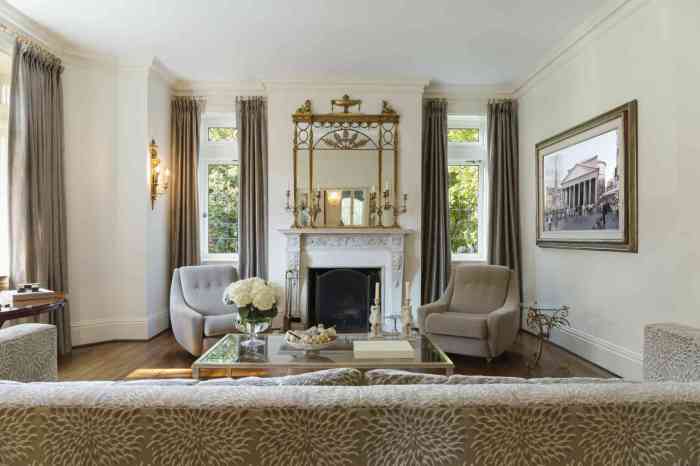
Lighting is paramount in achieving timeless elegance in interior design. It’s not merely about illumination; it’s about crafting atmosphere, accentuating architectural features, and subtly influencing the overall mood and experience of a space. The right lighting scheme can transform a room from ordinary to extraordinary, enhancing the beauty of carefully chosen furniture, colors, and materials.The interplay of different lighting types is key to a successful design.
Ambient, task, and accent lighting each play distinct roles in creating a balanced and visually appealing environment. Thoughtful integration of natural light with artificial sources further enhances the elegance and sophistication of the space.
Ambient Lighting
Ambient lighting provides the overall illumination of a room, setting the foundation for the other lighting layers. In a timeless elegant setting, ambient lighting should be soft and diffused, avoiding harsh shadows. Examples include a crystal chandelier in a dining room, recessed lighting with warm-toned bulbs throughout a living area, or strategically placed wall sconces that cast a gentle glow.
The goal is to create a welcoming and relaxing atmosphere, rather than a brightly lit, clinical feel.
Task Lighting
Task lighting focuses on specific areas where activities requiring focused vision take place. In a timeless elegant space, this could include adjustable reading lamps positioned beside armchairs, under-cabinet lighting in the kitchen, or pendant lights above a kitchen island. The design of task lighting should complement the overall aesthetic, seamlessly integrating with the ambient lighting rather than detracting from it.
Materials like brushed nickel or polished brass can add a touch of refined elegance.
Accent Lighting
Accent lighting is used to highlight specific architectural details or artwork, adding depth and visual interest. In a timeless elegant setting, this might involve track lighting focusing on a gallery wall, strategically placed spotlights emphasizing ornate molding, or LED strip lighting subtly illuminating shelving units. The key is to use accent lighting sparingly, allowing the highlighted features to stand out without overwhelming the overall design.
This approach creates a sense of drama and sophistication.
Natural Light and its Integration with Artificial Lighting
Natural light is a crucial element in creating a timeless and elegant space. Maximizing natural light through large windows and skylights enhances the feeling of spaciousness and brightness. However, natural light can vary throughout the day and across seasons. Therefore, a well-designed lighting plan integrates artificial light sources to complement and supplement natural light, ensuring a consistently appealing ambiance.
This involves using dimmers to adjust the intensity of artificial lights according to the level of natural light available. For example, during the day, ambient lighting can be dimmed, relying more on natural light. As evening approaches, the artificial lighting gradually increases to maintain a comfortable and inviting atmosphere.
Dining Room Lighting Plan
A central crystal chandelier provides ambient lighting, offering a dramatic focal point and casting a soft, warm glow. Recessed lighting offers supplemental ambient lighting, ensuring even illumination across the space. Two adjustable pendant lights above the dining table serve as task lighting, providing sufficient illumination for dining and conversation. Finally, strategically placed wall sconces on either side of a buffet or sideboard act as accent lighting, subtly highlighting the furniture and any displayed items.
The use of dimmers allows for adjusting the intensity of each light source to create the perfect atmosphere for any occasion, from a casual dinner to a formal gathering.
Balcony Decor Accent Pieces
A thoughtfully curated selection of accent pieces can transform a simple balcony into a stylish and inviting outdoor space, reflecting the elegance found within the home. These pieces should complement the overall design aesthetic while adding personality and functionality. Careful consideration of materials and styles suitable for outdoor conditions is crucial for both longevity and aesthetic appeal.Choosing the right accent pieces for your balcony involves balancing practicality with aesthetic appeal.
Consider the size of your balcony, the existing furniture, and the overall style you are aiming for. Overcrowding should be avoided, ensuring each piece contributes to the overall harmony and doesn’t detract from the space’s functionality.
Suitable Accent Pieces and Their Impact
Several accent pieces can significantly enhance a balcony’s aesthetic. For instance, a stylish planter box filled with vibrant flowers or herbs adds a touch of nature and life, softening hard lines and introducing color. A comfortable outdoor chair or a small bistro set provides a functional seating area, perfect for enjoying a morning coffee or an evening drink.
Ornate wrought-iron candle holders or lanterns add a touch of romance and ambient lighting, creating a warm and inviting atmosphere. Finally, a decorative water feature, such as a small fountain or birdbath, introduces a calming element, creating a soothing soundscape. These pieces work together to create a cohesive and inviting outdoor living area.
Materials and Styles for Outdoor Use
Durability and weather resistance are paramount when selecting materials for outdoor accent pieces. Wrought iron, with its classic elegance and strength, is an excellent choice for furniture and decorative items. Powder-coated finishes offer additional protection against rust and fading. Weather-resistant wicker or rattan furniture provides a more relaxed and informal look, while teak wood, known for its durability and natural beauty, offers a sophisticated and timeless aesthetic.
For planters, consider materials like terracotta, ceramic, or resin, which are durable and can withstand the elements. Avoid materials that are easily damaged by moisture or extreme temperatures.
Balcony Decor Scheme Example
Imagine a small balcony with a wrought-iron bistro set in a classic black finish. A large, rectangular terracotta planter filled with cascading petunias is placed next to the set, adding a splash of vibrant color. A small, ornate wrought-iron candle lantern hangs from the balcony railing, casting a warm glow in the evening. A small, square ceramic planter with trailing ivy hangs from a nearby hook, adding vertical interest.
This arrangement balances functionality (seating) with aesthetic elements (plants, lighting), creating a cohesive and inviting space.
Maintenance Tips for Outdoor Accent Pieces
- Regular cleaning: Sweep or hose down furniture and decorative items regularly to remove dirt and debris.
- Protection from the elements: Cover furniture and planters during periods of heavy rain or snow to prevent damage.
- Seasonal storage: Consider storing delicate items indoors during harsh weather conditions.
- Rust prevention: For wrought iron or metal pieces, apply a protective sealant or touch-up paint as needed.
- Plant care: Water plants regularly and fertilize as needed to maintain their health and vibrancy.
Cozy Decor within a Timeless Elegant Framework
Achieving a cozy atmosphere within a space designed for timeless elegance requires a delicate balance. The key lies in thoughtfully incorporating textures and materials that evoke warmth and comfort without sacrificing the sophisticated and refined aesthetic of the overall design. This involves selecting elements that complement, rather than clash with, the existing elegant framework.The integration of cozy elements should enhance the feeling of refined comfort, rather than creating a visually cluttered or overly casual space.
This approach ensures that the timeless elegance remains the dominant characteristic, while the cozy additions create a welcoming and inviting ambiance.
Texture and Material Choices for Cozy Elegance
Creating a cozy yet elegant space hinges on the strategic selection of textures and materials. Natural materials like linen, wool, and cashmere contribute significantly to a sense of warmth and comfort. Consider a plush wool rug layered over a hardwood floor, or linen drapes that soften the light and add a touch of relaxed sophistication. The interplay of different textures, such as the smooth coolness of marble contrasted with the soft pile of a velvet armchair, adds depth and visual interest.
Incorporating natural wood finishes, such as a beautifully grained oak coffee table, further enhances the cozy and elegant atmosphere. These materials, while inherently comfortable, also possess a timeless quality that prevents the space from appearing dated or overly casual.
Contrasting Approaches to Cozy and Elegant Design
Two primary approaches can be taken to create a cozy and elegant space. The first emphasizes a minimalist approach, using high-quality, luxurious materials in a restrained palette. This approach prioritizes simplicity and clean lines, with cozy elements subtly introduced through textures like a cashmere throw draped over a minimalist sofa or a finely woven wool rug. The second approach embraces a slightly more layered aesthetic, incorporating a greater variety of textures and patterns, while still maintaining a cohesive and refined look.
This might involve a combination of plush velvet cushions, a patterned rug, and perhaps a decorative fireplace mantel, all carefully chosen to create a sense of curated warmth. Both approaches prioritize quality over quantity, ensuring that each element contributes to the overall feeling of sophisticated comfort.
Cozy Bedroom Design Maintaining Timeless Elegance
A bedroom provides an ideal setting to showcase the integration of cozy elements within a timeless elegant design. Imagine a master suite featuring a four-poster bed with a crisp linen headboard, dressed in high-thread-count cotton sheets and a luxurious cashmere throw. A plush wool rug anchors the space, adding warmth underfoot. Instead of harsh overhead lighting, soft bedside lamps cast a warm glow, enhancing the feeling of intimacy and relaxation.
A richly textured silk or velvet armchair provides a comfortable spot for reading, while carefully chosen artwork and accessories add personality without disrupting the overall sense of sophisticated calm. The use of muted, sophisticated colors, such as deep blues, soft greens, or warm creams, creates a calming and inviting atmosphere, further reinforcing the timeless elegance of the design.
Elegant Decor
Achieving truly elegant decor transcends simply selecting beautiful pieces; it involves a nuanced understanding of design principles and a keen eye for detail. This section delves into advanced techniques to elevate your space beyond the basics, creating a sophisticated and inviting atmosphere. We will explore the art of layering and texture, integrating personal style, and mastering the subtle art of accessorizing.
Layering and Texture for Visual Depth
Layering is crucial for creating visual interest and depth in an elegant space. It involves combining different textures, patterns, and elements to build a rich and dynamic composition. Think of it as an orchestration of visual elements, each contributing to the overall harmony. For instance, a plush velvet sofa might be layered with a textured throw blanket, a silk cushion, and a fringed decorative pillow.
The interplay of textures—the smooth velvet, the nubby throw, the sheen of silk—creates a captivating visual experience. Similarly, layering different shades of a color palette, from a deep base to lighter accents, adds depth and sophistication. A room painted in a soft grey might feature darker grey accents in the form of artwork or furniture, while lighter greys are used in textiles and accessories.
This creates a sense of movement and prevents the space from feeling flat.
Incorporating Personal Style into Timeless Elegance
While timeless elegance adheres to certain principles, it’s crucial to infuse your personal style into the design. This prevents the space from feeling sterile or impersonal. This can be achieved through carefully chosen artwork reflecting your interests, unique accent pieces that tell a story, or the inclusion of cherished family heirlooms. For example, a lover of travel might incorporate globally-inspired textiles and artifacts, while a book enthusiast could showcase a curated collection of first editions.
The key is to select items that resonate with you personally while maintaining consistency with the overall elegant aesthetic. Avoid overwhelming the space; instead, use personal touches as carefully chosen accents that enhance the overall design rather than detract from it.
Styling a Bookshelf for an Elegant and Sophisticated Look
A well-styled bookshelf can be a stunning focal point in an elegant space. Here’s a step-by-step guide:
- Clean and Organize: Begin by thoroughly cleaning the shelves and removing any items that don’t fit the overall aesthetic or are no longer relevant.
- Color Coordination: Group books by color, creating a visually appealing arrangement. You can mix color-coded books with decorative objects.
- Varying Heights and Sizes: Avoid uniform placement. Vary the height and size of books and objects to create visual interest and a less rigid look. Stack some books horizontally, others vertically.
- Incorporate Decorative Objects: Strategically place decorative objects amongst the books. This could include small sculptures, framed photographs, or decorative boxes. Ensure these objects complement the overall color palette and style.
- Leave Some Space: Avoid overcrowding the shelves. Leaving some empty space creates a sense of airiness and prevents the display from feeling cluttered. This also allows the eye to rest and appreciate the individual elements.
- Consider Lighting: Proper lighting can highlight the bookshelf and its contents. A strategically placed lamp or spotlight can dramatically enhance the visual impact.
Following these steps will transform a simple bookshelf into an elegant and sophisticated display, reflecting both your personal style and a commitment to refined design.
Functional Decor in a Timeless Elegant Setting
The pursuit of timeless elegance in interior design shouldn’t come at the expense of practicality. A truly elegant space seamlessly blends aesthetics with functionality, creating an environment that is both beautiful and comfortable for everyday living. The key lies in thoughtful selection and strategic placement of decor pieces that serve a purpose while enhancing the overall aesthetic.
Balancing aesthetics and functionality is crucial for creating a living space that is both visually appealing and practical. A room filled with beautiful but impractical items can quickly feel cluttered and overwhelming, while a purely functional space may lack warmth and personality. The ideal approach involves carefully curating pieces that perform a useful function while contributing to the overall elegance of the design.
This requires a discerning eye and an understanding of how different elements interact within the space.
Examples of Functional Decor Pieces that Maintain Timeless Elegance
Timeless elegance thrives on simplicity and quality. Functional pieces that exemplify this principle include a beautifully crafted writing desk made from solid wood, its simple lines and rich patina contributing to the room’s sophistication. A substantial, yet elegantly designed, bookshelf crafted from dark wood or lacquered metal provides ample storage while adding a stately presence. Similarly, a generously sized ottoman, upholstered in a luxurious fabric like velvet or linen, offers extra seating and a place to rest feet, enhancing both comfort and style.
These pieces, chosen for their enduring appeal and quality craftsmanship, transcend fleeting trends.
Incorporating Storage Solutions Without Sacrificing Style
Storage is essential in any home, but poorly executed storage solutions can detract from the overall aesthetic. Instead of bulky, uninspired storage units, consider incorporating elegant solutions that seamlessly blend into the design. Built-in shelving, discreetly integrated into the architecture of the room, provides ample storage without visual clutter. Beautifully crafted chests, repurposed as coffee tables or side tables, offer both storage and a stylish focal point.
Wicker baskets, lined with luxurious fabrics, can discreetly store blankets and other items, adding texture and visual interest. The key is to choose storage solutions that are both functional and aesthetically pleasing, reflecting the overall style of the room.
Designing a Functional and Elegantly Styled Home Office
A home office should be both a productive workspace and a stylish extension of the home’s overall aesthetic. A large, antique writing desk, perhaps with a leather top, serves as a central feature, exuding sophistication. A comfortable yet elegant chair, upholstered in a durable fabric, provides a supportive and stylish seating option. Built-in bookshelves provide ample storage for documents and books, while maintaining a clean and organized look.
Subtle lighting, perhaps a desk lamp with a classic design and a statement floor lamp, illuminates the space effectively without being visually overwhelming. A neutral color palette, accented with pops of color through artwork or accessories, creates a calming and inspiring atmosphere. The overall design should promote focus and productivity while maintaining a refined and elegant aesthetic.
Ultimately, achieving timeless elegant decor is a journey of thoughtful curation and personal expression. By understanding the fundamental principles of classic design and thoughtfully selecting pieces that resonate with your personal style, you can create a home that is both beautiful and enduring. This space will not only reflect your refined taste but will also provide a sanctuary of calm and sophistication for years to come, a testament to the enduring power of elegant design.
FAQ Corner
What are some common mistakes to avoid when creating a timeless elegant space?
Over-cluttering, using too many trendy items, neglecting proper lighting, and failing to consider the overall flow and functionality of the space are common pitfalls.
How can I incorporate personal style into a timeless design?
Incorporate meaningful artwork, family heirlooms, or travel souvenirs. Choose colors and textures that reflect your personality while staying within the overall timeless palette.
How do I maintain a timeless look as trends change?
Focus on classic shapes, neutral color palettes, and high-quality materials. Avoid trendy patterns and fads, opting for enduring styles instead.
What is the role of lighting in creating a timeless elegant atmosphere?
Lighting sets the mood and highlights architectural details. A combination of ambient, task, and accent lighting creates a layered and inviting ambiance.


